UNIST site map
- Admissions
-
Academics
- Colleges and Schools
-
Academic Affairs
- Academic Calendar
- Academic Curriculum
- Requirements for Graduation
- Browse Open Courses
- Undergraduate Administration
-
Graduate Academic Affairs
- Tuition Fee Payment
- Academic Leave of Absence/ Academic Return
- Voluntary Withdrawal/ Expulsion
- Change of Major
- Change of Degree Program/ Dropping of Degree Program
- Class Period/ Attendance Period/ Academic Year・Semester
- Course Registration
- Course Drop
- Attendance/ Grade/ Exam
- Credit Transfer/ Credit Carryover
- Academic Forms
- Education Support
-
Research/Industry
- Research Aims
- Research Findings
- Researcher Search
-
Research Organizations
- UNIST Multi-Interdisciplinary Institute
- IBS Research Groups
-
UNIST Labs
- Department of Mechanical Engineering
- School of Energy and Chemical Engineering
- Department of Civil
- Department of Materials Science and Engineering
- Department of Nuclear Engineering
- Department of Industrial Engineering
- Department of Design
- Department of Biomedical Engineering
- Department of Biological Sciences
- Department of Electrical Engineering
- Department of Computer Science and Engineering
- Department of Mathematical Sciences
- Department of Chemistry
- Department of Physics
- School of Business Administration
- Graduate School of Carbon Neutrality
- Graduate School of Artificial Intelligence
- Research Support
- University-Industry Relations
- Campus Life
- News Center
- About UNIST
-
etc
- UNIST Bulletin
- Work-Life Balance Support System
- UNIST Gender Equality Plan
- Faculty Invitation for Tenure Track
- Faculty Invitation for Non-Tenure Track
- Board Meeting Minutes
- University Council Meeting Minutes
- Administrative Service Charter
- Privacy Policy
- Copyright Policy
- Rejection of Unauthorized Email Collection
- Operation and Management Policy for Video Information Processing Devices
- Information Disclosure
SEARCH


Connection Points of Knowledge, Everything About UNIST
Try searching.
Recommended search terms


STUDENT


- portal
- U Academics Innovation Center
- Leadership Center
- Dormitory
- Academic Information Center
- International Students Support
- Browse Open Courses
- Course Registration
- Graduation Requirements for Graduation
- Academic Leave of Absence/ Academic Return
- Military Service
- Certificate Issuance
- Academic Calendar
- Scholarships
- Campus Map
- Campus Life Guidebook
- Health Care Center
- Human Rights Center
- portal
- Job Opening
- Announcement for Bid
- UNIST AI Services
- UNIST Daycare Center
- Sports Center
- UI Downloads
- Announcement
- Recruitment of Professors (Non-tenure)
- Faculty Invitation for Tenure Track
- UNIST Academic Information Center
- Office of Research Facilities and Training
- Office of Research Affairs
- Rule Management System
- Academic Calendar


This is a collection of menus necessary for UNIST students .
students
- portal
- U Academics Innovation Center
- Leadership Center
- Dormitory
- Academic Information Center
- International Students Support
- Browse Open Courses
- Course Registration
- Graduation Requirements for Graduation
- Academic Leave of Absence/ Academic Return
- Military Service
- Certificate Issuance
- Academic Calendar
- Scholarships
- Campus Map
- Campus Life Guidebook
- Health Care Center
- Human Rights Center


This is a collection of menus necessary for prospective UNIST Students .
prospective Students


This is a collection of menus necessary for UNIST Faculty & Staff .
Faculty & Staff
- portal
- Job Opening
- Announcement for Bid
- UNIST AI Services
- UNIST Daycare Center
- Sports Center
- UI Downloads
- Announcement
- Recruitment of Professors (Non-tenure)
- Faculty Invitation for Tenure Track
- UNIST Academic Information Center
- Office of Research Facilities and Training
- Office of Research Affairs
- Rule Management System
- Academic Calendar


NEWS CENTER
Discover not only Research Findings and event news, but also the diverse facets of UNIST presented by reporters and writers.
News Center

UNIST News
총 1000건의 게시물이 있습니다.
There are a total of 1000 posts.
-
Research
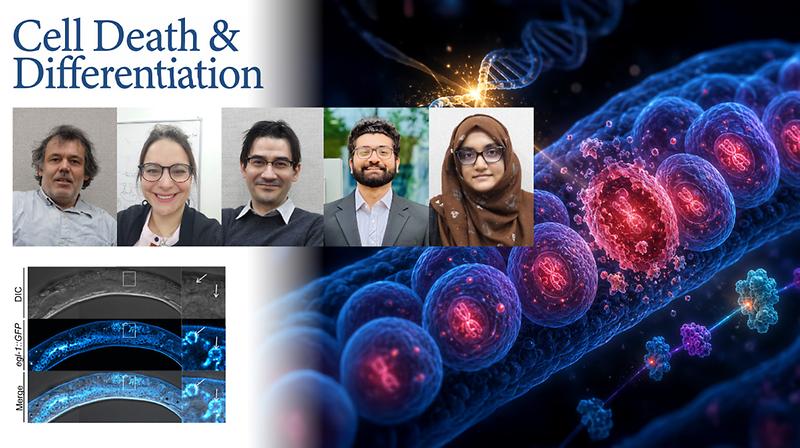
Germ Cells and Somatic Cells Follow ‘Different Rules’ for Programmed Cell DeathPublished in Cell Death Differ., the study reveals distinct mechanisms governing programmed cell death in somatic and germ cells of C. elegans.Programmed cell death is a biological process in which cells die according to predetermined rules, removing unnecessary cells during development and safely eliminating damaged cells. When programmed cell death does not occur properly, cells between the developing fingers may remain, causing the fingers to remain joined together, while defective cells may continue to proliferate and develop into cancer. A new study has found that the rules governing programmed cell death differ depending on the type of cell. A research team led by Professor Anton Gartner of the UNIST Graduate School of Health Science and Technology, in collaboration with a team led by Research Fellow Nadin Memar at the Institute for Basic Science (IBS) Center for Genomic Integrity, has identified different mechanisms that determine the programmed cell death in embryonic somatic cells and adult germ cells of Caenorhabditis elegans . According to the study, the signal that initiates programmed cell death was activated only in embryonic somatic cells destined to die. In germ cells, however, a 'two-step regulatory system' separated the activation of the death signal in response to DNA damage from the actual execution of cell death. When the researchers induced DNA damage using radiation, the cell death-initiating gene egl-1 was activated throughout the germline, but only a subset of germ cells in the late pachytene stage—when chromosomes are inspected before the cells develop into eggs—actually died. The researchers interpreted this two-step regulation as a safeguard that may help prevent the organism from losing all of its germ cells, which are essential for reproduction and species survival, while still eliminating severely damaged cells. Germ cells broadly prepare for death in response to damage signals, but only those at a particular developmental stage and meeting additional conditions proceed to die. This mechanism may allow the organism to preserve enough germ cells for reproduction while reducing the risk that damaged genetic information is passed on to the next generation. The researchers noted that further studies are needed to identify the specific downstream mechanisms that determine why only some germ cells ultimately undergo cell death. The team uncovered these findings by using gene-editing technology to attach fluorescent markers to four programmed cell death genes and their associated proteins. C. elegans is particularly well suited for tracking cell death because its body is transparent, it has only 959 somatic cells as an adult, and the birth and death of every cell—including the 131 cells eliminated during development—have been mapped in detail. Fluorescence imaging further showed that cell death-regulating proteins such as CED-4 and CED-3 change their cellular localization according to tissue type and developmental stage. This supports the researchers' hypothesis that programmed cell death is not controlled simply by switching genes on and off, but through a highly coordinated regulatory process that also involves dynamic changes in protein localization. The research team added, “Because gene families similar to the major programmed cell death genes in C. elegans are conserved in humans and other mammals, these findings could provide fundamental information for understanding diseases such as cancer, in which the regulation of programmed cell death is disrupted.” The team added, “The fluorescent imaging tools developed in this study could be used to investigate the conditions under which cells die or survive in model organisms.” This work was supported by the Institute for Basic Science (IBS) and by grants from the National Research Foundation of Korea (NRF), funded by the Ministry of Science and ICT. The findings were published online in Cell Death & Differentiation on June 10, 2026. Anton Gartner Professor, Graduate School of Health Science and Technology, UNIST IBS Center for Genomic Integrity (CGI) E: tgartner@unist.ac.kr William I. Suh IBS Public Relations Team E: willisuh@ibs.re.kr Story Source Materials provided by Institute of Basic Science. Notes for Editors The online version of the original article can be found HERE . Journal Reference Gokul Gopakumar, Afroza Aman, Stéphane GM Rolland, et al., "Endogenous expression and subcellular localization of core apoptosis regulators reveal key differences between embryonic and germline apoptosis in C. elegans," Cell Death Differ., (2026).- 2026-07-28
- JooHyeon Heo
- 24
-
Research
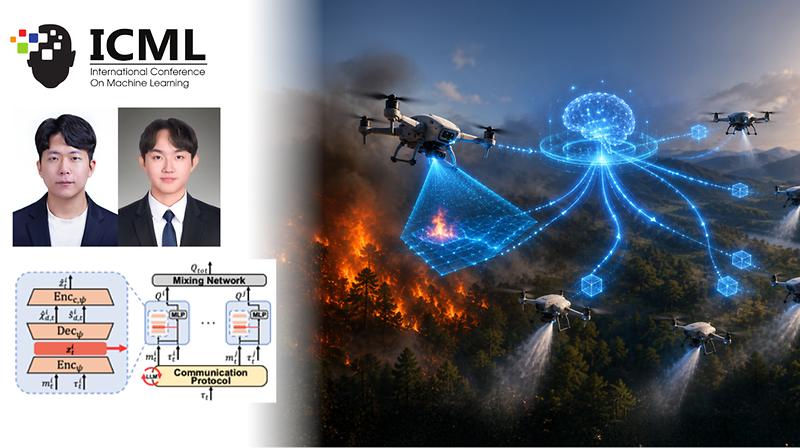
Designing Smarter Communication for Multi-Agent AITheir findings were accepted for presentation at the ICML '26, which took place in Seoul, from July 6 to 11, 2026.Abstract Communication is a key component in multi-agent reinforcement learning (MARL) for mitigating partial observability, yet prior approaches often rely on inefficient information exchange or fail to transmit sufficient state information. To address this, we propose LLM-driven Multi-Agent Communication (LMAC), which leverages an LLM's reasoning capability to design a communication protocol that enables all agents to reconstruct the underlying state as accurately and uniformly as possible. LMAC iteratively refines the protocol using an explicit state-awareness criterion, improving state recovery while narrowing differences in agents' knowledge. Experiments on diverse MARL benchmarks show that LMAC improves state reconstruction across agents and yields substantial performance gains over prior communication baselines. Multi-agent AI systems must make decisions based on incomplete information. Researchers at UNIST have developed a new approach that uses a large language model (LLM) to help AI agents to build a more accurate and consistent understanding of their shared environment, improving coordination in complex collaborative tasks. Led by Professor Seungyeol Han of the Graduate School of Artificial Intelligence, the team developed LLM-driven Multi-Agent Communication (LMAC), a framework that designs and refines communication protocols for multi-agent reinforcement learning (MARL). Rather than manually specifying what information agents should exchange, LMAC determines what information is essential for cooperation and how it should be shared so that every agent can reconstruct the underlying state of the environment as accurately as possible. The framework is intended for environments where no individual agent has access to the complete picture, such as drone swarms, collaborative robots, and autonomous vehicles. Users describe the task objective, the role of each agent, and the meaning of available observations in natural language. Based on this description, the LLM generates a communication protocol that specifies what information each agent should transmit and to whom. LMAC further improves the protocol through an interactive feedback process. An evaluation module measures how accurately each agent reconstructs the hidden state after receiving messages from teammates while identifying differences in the agents' understanding of the environment. The LLM uses this feedback to refine the communication protocol by incorporating missing contextual information and eliminating unnecessary information exchange. Rather than increasing the amount of communication, the framework improves the quality and consistency of information shared across the team. For example, in a drone surveillance mission, only a reconnaissance drone may be able to observe a target. Simply reporting that " [T]he target is to my right " provides little value if the rest of the team does not know the scout's position. LMAC automatically recognizes this ambiguity and revises the communication protocol to include additional context, such as the scout's location, movement, teammate identities, or a shared coordinate system, allowing all agents to infer the target's position more accurately. Unlike approaches that repeatedly invoke an LLM during deployment, LMAC uses the model only while designing the communication protocol. During execution, the completed protocol directly converts each agent's observations into messages, enabling efficient real-time communication without the computational overhead of continuous LLM inference. The researchers also developed a learning architecture that helps agents make better use of incoming messages. Rather than treating all transmitted information equally, each agent learns to extract the information most relevant to the task while estimating the reliability of its own understanding of the environment. In a cooperative StarCraft II benchmark, LMAC achieved a 96.2% win rate in a scenario where a single reconnaissance unit guided ten attack units that could not directly observe enemy positions. Under the same learning architecture, existing communication methods achieved win rates of 59.0% and 25.2%, respectively. “Previous multi-agent communication research has focused primarily on how agents exchange messages, but has been limited in determining what information is fundamentally necessary for cooperation,” said Professor Han. "LMAC enables a large language model to reason about the relationship between observations and the underlying environment, automatically design communication protocols, and continuously refine them through data-driven feedback. Because the LLM is used only during protocol design rather than execution, the framework also remains computationally efficient during deployment." He further added that the approach could support collaborative AI systems operating under limited information, including autonomous drone swarms, robot teams, smart factories, and cooperative autonomous driving. Professor Han added that the approach could provide a foundation for collaborative AI systems operating under limited information, including autonomous drone swarms, robot teams, smart factories, and cooperative autonomous driving. The study has been accepted for presentation at the International Conference on Machine Learning (ICML) 2026, which took place in Seoul from July 6 to 11, 2026. The research was supported by the Ministry of Science and ICT (MSIT), the Institute for Information & Communications Technology Planning & Evaluation (IITP), and the National Research Foundation of Korea (NRF). Journal Reference Sangjun Bae, Yisak Park, Sanghyeon Lee, and Seungyul Han, "LLM-Guided Communication for Cooperative Multi-Agent Reinforcement Learning," ICML '26 , (2026).- 2026-07-27
- JooHyeon Heo
- 103
-
Research
New Surface Design Makes QDs More Reliable for Single-Molecule ImagingTheir findings have been published online in Nano Convergence on June 3, 2026.Abstract Quantum dots (QDs) are fluorescent nanoparticles widely used for single-molecule imaging because of their exceptional brightness and photostability. However, the impact of QD surface chemistry on biomolecular interactions has not been systematically investigated. Here, we report that commercial QDs unexpectedly destabilize protein-DNA complexes by inducing protein dissociation from DNA. Using the human nucleotide excision repair protein, xeroderma pigmentosum complementation group A (XPA) as a model system, we demonstrate that antibody-conjugated QDs promote dissociation of XPA from DNA substrates, independently of sizes and surface modification of QDs, antibody types, epitope tags, buffer conditions, or DNA structures. We find that polyethylene glycol (PEG), a common polymer coating on QD surfaces, is the primary factor responsible for this effect. To tackle this problem, we engineered QDs with precisely controlled surface polymer compositions. By systematically changing the ratio of anchoring, hydrophilic, and PEG-based functional groups, we find that reducing PEG density below a critical threshold effectively suppresses protein dissociation while maintaining excellent colloidal stability and brightness. Furthermore, antibodies conjugated via click chemistry between azide groups and DBCO enabled specific labeling of XPA without perturbing the DNA binding activity. Using these optimized QDs, we conducted single-molecule DNA curtain assays to visualize XPA-DNA interactions. QD-labeled XPA exhibits one-dimensional diffusion with frequent pausing on undamaged DNA. DNA curtain assays revealed that XPA preferentially binds DNA bubbles and searches for bubble structures through both one-dimensional diffusion and three-dimensional collision. Quantitative analysis showed that three-dimensional collision is the dominant pathway for bubble recognition. Taken together, our results uncover a previously unrecognized limitation of PEG-coated QDs in single-molecule studies and provide an improved surface-engineering strategy to preserve native protein-DNA interactions. Newly engineered QDs establish robust platforms for accurate single-molecule visualization of biomolecular processes. Quantum dots (QDs) are widely used as fluorescent probes for single-molecule imaging because they are brighter and more photostable than conventional fluorescent dyes. Researchers at UNIST have now discovered that the surface chemistry of many commercially available QDs can unintentionally disrupt the protein–DNA interactions they are intended to observe. The team also established a surface-engineering strategy that minimizes this interference without compromising their imaging performance. Led by Professor Jaeil Lee of the Department of Biological Sciences and Professor Jongnam Park of the Department of Energy and Chemical Engineering, the researchers identified polyethylene glycol (PEG), a polymer widely used to coat commercial QDs, as the source of the interference. When PEG occupied too great a proportion of the particle surface, protein–DNA interactions became destabilized, revealing a previously unrecognized limitation of a widely used imaging probe. The finding arose while the team was investigating xeroderma pigmentosum complementation group A (XPA), a DNA repair protein involved in nucleotide excision repair. As the concentration of commercially available QDs increased, XPA unexpectedly dissociated from DNA. The same behavior persisted regardless of quantum dot size, antibody type, surface modification, buffer conditions, or DNA structure, indicating that the disruption originated from the probe itself rather than the biological system. To address this limitation, the researchers systematically redesigned the quantum dot surface by adjusting the proportions of anchoring, hydrophilic, and PEG-derived functional groups. They found that reducing the PEG-derived surface composition below approximately 7% preserved native protein–DNA interactions while maintaining the brightness and colloidal stability required for single-molecule imaging. Using the redesigned QDs, the researchers visualized how XPA searches for sites of DNA damage without perturbing its natural behavior. Single-molecule DNA curtain experiments showed that XPA locates DNA bubble structures through both one-dimensional diffusion along DNA and three-dimensional collisions from solution. Quantitative analysis revealed that three-dimensional collisions are the dominant pathway for recognizing damaged DNA under physiologically relevant protein concentrations. “Commercial quantum dots have long been regarded as passive fluorescent probes,” said Professor Lee. "Our study shows that their surface chemistry can directly influence the molecular interactions being observed. By identifying the source of this interference, we established a practical strategy for preserving native protein–DNA interactions during single-molecule imaging." Professor Park added, "Careful control of surface polymer composition allowed us to reduce molecular interference without compromising brightness or colloidal stability. We expect these design principles to support the development of more reliable nanoparticle-based probes for biological imaging." The study also included contributions from Youngseo Kim of the Department of Biological Sciences and Hyerim Kim of the Department of Energy and Chemical Engineering at UNIST. The findings were published online in Nano Convergence on June 3, 2026. The research was supported by the National Research Foundation of Korea (NRF), the Institute for Basic Science (IBS), and the Ministry of Trade, Industry and Energy (MOTIE). Journal Reference Youngseo Kim, Hyerim Kim, Munryul Choi, et al ., "Engineering quantum dot surfaces to preserve protein-DNA interactions for single-molecule visualization," Nano Converg ., (2026).- 2026-07-23
- JooHyeon Heo
- 511
-
Research
New Wrinkle Architecture Broadens Optical Responses for Advanced Security FilmsThe findings were published in Advanced Functional Materials on June 25, 2026.Abstract Wrinkle-based diffraction gratings offer a scalable route to pigment-free structural coloration, yet most platforms are limited by globally aligned, linear wrinkles that provide limited spatial programmability and narrow angular selectivity. Here, we report geometrically programmed wrinkle architectonics in a UV-curable chitosan (UVCC)/polydimethylsiloxane (PDMS) bilayer, where lithography-defined, “geometric voids” serve as boundary constraints and stress concentrators to deterministically steer wrinkle trajectories during mechanical deformation. Simple geometric primitives effectively reshape the local stress field through geometrically incompatible confinement, transforming 1D gratings into shape-specific, spatially bifurcated domains characterized by curvilinear orientation and straight-wrinkle fields. We quantify these trajectory fields using the curvature metric and map critical design levers, such as inter-pattern spacing, UVCC thickness, and pattern asymmetry, that modulate curvature magnitude and steering range without altering diffraction periodicity. Circular perimeters sustain extended semi-circular trajectories, whereas polygonal vertices concentrate stress to induce aggressive local curvature. This programmed orientation dramatically amplifies angular dispersion: symmetric circular arrays achieve peak viewing-angle responsivity nearly three times higher than that of unpatterned thin films. A macaw security motif confirms wide-angle azimuthal readability and the formation of device-unique optical fingerprints for anti-counterfeiting. This work transforms a ubiquitous mechanical instability into a geometry-addressable photonic platform for high-level authentication and advanced displays. Hidden optical images that appear only when a transparent film is bent could provide a new generation of anti-counterfeiting technologies. Researchers at UNIST have demonstrated a strategy for programming the microscopic wrinkle patterns responsible for structural color, enabling optical films with enhanced viewing-angle sensitivity and unique optical fingerprints. Led by Professor Taesung Kim of the Department of Mechanical Engineering, the researchers discovered that simple geometric patterns can precisely control how microscopic wrinkles form as the film bends. By reshaping local mechanical stresses, the patterned boundaries guide wrinkle growth into both straight and curved domains while preserving the regular spacing responsible for structural color. This independent control over wrinkle orientation expands the film's optical capabilities. The enhanced wrinkle architecture translated directly into a broader optical response. The engineered films required only seven degrees of viewing-angle change to display the full visible color spectrum, compared with approximately thirty degrees for conventional wrinkle-based films. Distinct color changes also appeared with angular shifts as small as one degree, allowing substantially more optical information to be encoded within the same viewing range. To demonstrate these capabilities, the team fabricated a transparent security film featuring a hidden macaw image that appeared only when the film was bent. Unlike conventional wrinkle-based security films, which are visible only over a narrow range of viewing angles, the new design maintains clear image visibility and vivid structural colors across viewing angles from 0° to 90°. Each film also developed subtle variations in wrinkle branching, creating device-specific optical fingerprints that provide an additional layer of authentication beyond the visible security image. The films also showed excellent mechanical durability, maintaining stable wrinkle patterns and optical performance after 500 repeated bending cycles. “Instead of treating wrinkles as an unavoidable mechanical instability, we showed that they can be programmed through geometric design,” said Professor Kim. “By controlling wrinkle orientation while preserving wrinkle periodicity, we significantly broadened the optical response of wrinkle-based structural color films.” He added, "The approach could be applied to anti-counterfeiting technologies for banknotes, identification cards, luxury goods, and pharmaceutical packaging, while also providing a versatile platform for optical sensors and flexible display technologies." The findings were published in Advanced Functional Materials on June 25, 2026. Dr. Kaliannan Thiyagarajan and Sungjoon Ji from UNIST served as co-first authors of the study. The research was supported by the National Research Foundation of Korea (NRF) and UNIST. Journal Reference Kaliannan Thiyagarajan, Sungjoon Ji, Jiseok Han, et al ., “Geometrically Programmed Wrinkle Architectonics for High Angle-Dependent Structural Coloration,” Adv. Funct. Mater. , (2026).- 2026-07-22
- JooHyeon Heo
- 555
-
Research
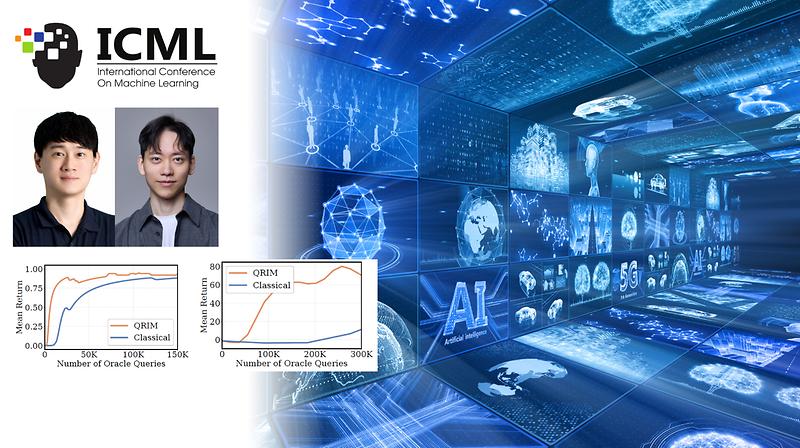
Quantum Algorithm Cuts the Cost of Training Robust AI by 80%Accepted to ICML 2026, the method accelerates one of the most computationally demanding steps in robust reinforcement learning.Abstract Robust reinforcement learning (RRL) aims to tackle unexpected environmental changes by optimizing policies against the worst case. However, RRL remains impractical due to the cost of the Max-Min optimization, where it suffers from the exhaustive query complexity for finding the worst-case (dubbed 'Min') within the environmental uncertainty set U , ie, O (|U|). By viewing this via a lens of quantum perspective, we raise a pivotal question: If we can query from the environment with quantum superpositions, is it possible to accelerate the Max-Min optimization of RRL? Our answer is 'Yes'. Our method, called quantum robust inner minimization (QRIM), encodes the uncertainty set with quantum superposition and amplifies low-return cases, thus enabling RL for solving the robust (ie, worst-case) Bellman equation. Importantly, QRIM achieves a quadratic speed-up in query complexity without altering the outer RL pipeline, ie, O (|U|). Validated through classical simulations to real quantum hardware execution, QRIM learns more robust policies with quadratically reduced queries than classical RL. Artificial intelligence systems deployed in the real world must continue to make reliable decisions even when conditions differ from those encountered during training. Robust reinforcement learning (RRL) addresses this challenge by preparing AI agents for the worst-case scenarios they may face. However, identifying those worst-case conditions requires searching a large uncertainty space, making training increasingly expensive as the number of possible environmental variations grows. To this bottleneck, Professor Sung Whan Yoon of the Graduate School of Artificial Intelligence at UNIST, in collaboration with Professor Joongheon Kim of Korea University, developed Quantum Robust Inner Minimization (QRIM), a method that replaces only the inner optimization responsible for identifying worst-case environments, while leaving the overall reinforcement learning pipeline unchanged. QRIM exploits quantum superposition to evaluate many possible environmental conditions simultaneously rather than examining each one individually. By amplifying the worst-case scenarios through a quantum search routine, the method reduces the number of required environment queries from N to √N—a quadratic improvement in query complexity—without modifying the surrounding reinforcement learning procedure. Across a series of experiments, QRIM learned more robust policies while requiring only 20–30% of the computation used by conventional methods. The researchers validated the algorithm through both classical simulations and experiments on IBM's 127-qubit quantum processor, demonstrating that the quadratic speed-up remained effective even in the presence of hardware noise. “QRIM redesigns the most computationally demanding component of RRL—the search for worst-case environments—using a quantum algorithm,” said first author Hyun Kyu Lee. "Because only the inner optimization is replaced, existing reinforcement learning algorithms can be readily incorporate the quantum module, making the approach broadly applicable across robust reinforcement learning." “This study demonstrates how quantum computing can complement artificial intelligence by addressing a well-defined computational bottleneck,” said Professor Yoon. "As quantum hardware continues to advance, approaches like QRIM could help make RRL practical for applications that require reliable decision-making under uncertainty, including robotics and autonomous driving." The findings have been accepted for presentation at the International Conference on Machine Learning (ICML) 2026, one of the world's leading conferences on machine learning. Among the quantum AI papers accepted to ICML 2026, QRIM is the only study led by a Korean research institution. The research was supported by the National Research Foundation of Korea (NRF) and the Institute for Information & Communications Technology Planning & Evaluation (IITP) through programs funded by the Ministry of Science and ICT (MSIT). Journal Reference Hyun Kyu Lee, Joongheon Kim, and Sung Whan Yoon, “Quantum Robust Inner Minimization for Reinforcement Learning with Quadratic Speed-Up in Query Complexity,” ICML, (2026) .- 2026-07-21
- JooHyeon Heo
- 648
-
Research
Understanding What AI Models Have LearnedAccepted to ICML 2026, MVProbe identifies AI models from their learned parameters.Abstract The explosive growth of open-source model repositories has created a Model Jungle, where checkpoints are frequently shared without adequate documentation or metadata. While weight-space learning offers a pathway to identify and analyze these models directly from their parameters, processing full-scale weights is computationally prohibitive. Probing-based methods have emerged as a lightweight alternative, extracting permutation-equivariant representations via learnable probe vectors. However, existing probing methods are limited by a single-view design: they capture first-order structures but fail to encode the rich, higher-order correlation patterns inherent in row-column interactions. To bridge this gap, we introduce MVProbe, a multi-perspective probing framework that synthesizes first-order signals with interaction-aware (Gram-based) views. Our approach is theoretically grounded; We analyze the scaling laws of different probing orders to derive a principled standardization and fusion strategy that ensures balanced contributions from all branches. On the Model Jungle benchmark, MVProbe consistently outperforms the state-of-the-art ProbeX across diverse architectures, including discriminative backbones (ResNet, SupViT, MAE, DINO) and large-scale generative LoRA adapters (Stable Diffusion LoRA). Not every AI model comes with a manual. As open-source model repositories continue to grow, many checkpoints are shared with little information about how they were trained or what data they learned from. As a result, identifying suitable models for reuse—or tracing where they came from—is becoming increasingly difficult. To address this challenge, Professor Jaejun Yoo and his team at the UNIST Graduate School of Artificial Intelligence developed MVProbe (Multi-view Probe), a method that identifies what an AI model has learned by analyzing its internal parameters alone, without relying on metadata or executing the model itself. Conventional probing methods analyze model weights from only a single perspective, limiting their ability to distinguish between closely related models. MVProbe overcomes this limitation by examining neural network parameters from four complementary perspectives, capturing not only individual parameter values but also the relationships among them to build a more complete representation of a model. The researchers also showed why existing probing methods struggle to distinguish similar models, demonstrating mathematically that important information embedded in model parameters is overlooked when weights are analyzed from only a single perspective. By integrating multiple complementary views, MVProbe overcomes this limitation while remaining reliable regardless of which neural network layer is analyzed. The team evaluated MVProbe on the Model Jungle benchmark, a large collection of modern AI models spanning image recognition networks and large generative models. Across all evaluated architectures, the method consistently outperformed the previous state-of-the-art approach, improving identification accuracy by as much as 5.96 percentage points while maintaining stable performance across different network layers. Beyond making large model repositories easier to search and organize, MVProbe could support a wide range of applications, including model reuse, provenance analysis, copyright verification, and AI security auditing—all without requiring models to be executed. “As more pretrained AI models become publicly available, the ability to identify and reuse the right one is becoming increasingly important,” said Professor Yoo. "MVProbe makes it possible to search and manage large model repositories by reading the information already encoded in a model's parameters, without running the model itself." The study was co-first authored by Eunwoo Heo and Kyungguk Seo of the UNIST Graduate School of Artificial Intelligence. It has been accepted for presentation at the International Conference on Machine Learning (ICML) 2026. This work was supported by the Institute for Information & Communications Technology Planning & Evaluation (IITP) and the National Research Foundation of Korea (NRF). Journal Reference Eunwoo Heo, Kyeongkook Seo, and Jaejun Yoo, "What Linear Probes Miss: Multi-View Probing for Weight-Space Learning,"- 2026-07-20
- JooHyeon Heo
- 621
-
Research
New Material Enables More Precise Patterning of Organic ElectronicsPublished in ACS Nano, the study enables finer circuit patterning and more reliable organic semiconductor devices for flexible electronics.Abstract Direct photopatterning with photoactivated cross-linkers provides a powerful route to highly integrated, solution-processed electronics. We introduce Diazo-6Bx, a six-branched diazo-based cross-linker that combines high miscibility with organic semiconductors and efficient C–H insertion reactivity. Comparative studies with azide-functionalized cross-linkers (phenyl- and tetrafluorophenyl-based structural analogues, namely, Ph-6Bx and 6Bx, respectively) reveal that the fluorine-free structure of Diazo-6Bx and its superior compatibility with host materials enable highly uniform cross-linking. This results in high-fidelity photopatterning with steep taper angles, excellent pattern retention, and minimal line-width variation. In solution-processed organic thin-film transistors (OTFTs), Diazo-6Bx enables the fabrication of unit devices that outperform those based on 6Bx, as well as large-area, high-resolution transistor arrays and logic circuits with excellent operational stability and scalability. These results demonstrate that a careful cross-linker design will play a crucial role in patterning next-generation electronic materials in extremely high fidelity. Printing electronic circuits from solution offers a promising route to lightweight, flexible electronics, but producing fine circuit patterns without sacrificing device performance remains a persistent manufacturing challenge. Professor BongSoo Kim and his research team in the Department of Chemistry at UNIST, working with collaborators at Yonsei University, have developed a new photo-crosslinker that enables more precise patterning of organic semiconductor circuits while improving the stability of the resulting devices. The material, Diazo-6Bx, was designed to blend more uniformly with hydrocarbon-based organic semiconductors than existing photo-crosslinkers. During ultraviolet patterning, it forms cross-linked networks that preserve circuit geometry, producing cleaner edges and more consistent feature sizes. In photopatterning experiments, Diazo-6Bx reduced line-width variation from 10.3 μm to 2.5 μm—roughly one quarter that of a widely used conventional photo-crosslinker. Circuit edges also became significantly sharper, with taper angles increasing from 67.9° to 87°, approaching nearly vertical sidewalls. The improved material compatibility also reduced charge-trapping defects, resulting in more stable transistor performance during prolonged operation. Organic thin-film transistors fabricated using Diazo-6Bx maintained more stable electrical characteristics under prolonged operation than devices produced with conventional crosslinking materials. The researchers also demonstrated that both p-type and n-type organic semiconductors could be patterned sequentially using the same solvent process. Using the same process, the researchers fabricated an 84-transistor organic thin-film transistor (OTFT) array together with complementary NOT, NAND, and NOR logic gates, demonstrating the scalability of the approach for complex organic electronic circuits. “This photo-crosslinker improves both patterning precision and device stability,” said Professor BongSoo Kim of the Department of Chemistry at UNIST. "Its compatibility with both p-type and n-type organic semiconductors simplifies solution processing and could help simplify manufacturing of large-area flexible displays and wearable electronic devices." The study was conducted in collaboration with Professor Jeong Ho Cho of Yonsei University. The findings were published in ACS Nano on June 23, 2026. The research was supported by the Samsung Future Technology Incubation Program and the National Research Foundation of Korea (NRF) through funding from the Ministry of Science and ICT (MSIT). Journal Reference Hyobin Ham, In Cheol Kwak, Daeyeon Lee, et al. , “Diazo-6Bx, a Six-Branched Diazo Cross-Linker, Enables High-Fidelity Patterning for Solution-Processed Electronics with Stable Operation,” ACS Nano, (2026).- 2026-07-16
- JooHyeon Heo
- 1044
-
Research
New Wearable Patch Combines Multimodal Sensing with On-Chip AIPublished in the IEEE JSSC, the technology performs real-time health and environmental analysis directly on the device while minimizing power consumption.Abstract A proposed chest patch device and its interface IC are configured to allow detection of multi-domain signals in the form of optical, electrical, acoustic, and chemical signals at a single body spot. The IC integrates on-chip classification capabilities for cardiovascular diseases (CVDs) based on photo-plethysmogram (PPG) and electrocardiogram (ECG), along with hazardous gas analysis. For low-power multimodal sensing, an ECG R-peak_triggered PPG window (RPT-PW) is proposed as an inter-sensor scheme to reduce activity on the PPG channel, which is the dominant energy consumer. Additionally, the PPG and ECG readout channels incorporate analog peak detection to enable normalized on-chip extraction of pulse arrival time (PAT) and RR interval (RRI). For minimal computation and communication power, a multi-domain convolutional neural network (MD-CNN) processes both analog and digital inputs, and a reconfigurable analog ternary/binarized neural network (a-TNN/BNN) provides additional computation capability for multi-domain applications. The IC was fabricated in an 180-nm BCD process and integrated into a chest patch device prototype with an in-house adhesive meta patch. The RPT-PW demonstrated adaptive operation with an effective LED duty cycle (EDC) as low as 0.02%. The on-chip computation achieved average sensitivity and specificity of 90.87%/95.38% for three-label hypertension, 92.80%/96.36% for three-label arrhythmia, and 92.46%/97.50% for four-label gas mixture classification. Continuous wearable monitoring often requires transmitting large volumes of sensor data to external devices for analysis, increasing power consumption and limiting operating time. A joint research team, led by Professor Jae Joon Kim of Electrical Engineering and Professor Hoon Eui Jeong of Mechanical Engineering, has developed a wearable chest patch that analyzes physiological and environmental signals directly on the device, reducing both communication and sensing power while enabling continuous real-time monitoring. The wearable integrates optical, electrical, acoustic, and chemical sensing into a single device capable of simultaneously monitoring cardiovascular signals and hazardous gases. Rather than transmitting raw sensor data, it processes the information using an on-chip AI processor and sends only the analysis results via Bluetooth. This reduces communication overhead while allowing multiple users to be monitored remotely. To extend battery life, the researchers introduced an adaptive sensing scheme that selectively activates the optical sensor—the most power-intensive component of the device. By synchronizing optical measurements with ECG signals, the system reduced power consumption in the optical sensing channel by approximately 83%, enabling longer operation on a single charge. The device achieved more than 90% sensitivity and specificity in classifying hypertension and cardiac arrhythmias. It also classified hazardous gas mixtures with 92.46% accuracy, demonstrating its ability to monitor both physiological conditions and environmental hazards using a single wearable platform. The chest patch incorporates a microstructured adhesive interface that conforms securely to rough skin while allowing clean removal without leaving residue, making it better suited for long-term wear. “This work brings multimodal sensing and AI inference together on a single wearable platform,” said Professor Kim. “By processing information directly on the device, the system reduces communication demands while enabling continuous monitoring of both health conditions and environmental hazards.” The study has been participated by Sanghyeon Cho and Hyunjoong Kim as co-first authors. Their findings will appear in the July 2026 issue of the IEEE Journal of Solid-State Circuits (JSSC) , one of the leading journals in integrated circuit design. The technology has been licensed to Anvix Lab, a startup co-founded by the research team, which is pursuing commercialization of next-generation bioelectronic patch platform based on on-chip AI. The research was supported by the Ministry of Trade, Industry and Energy (MOTIE), the Ministry of Education (ME), and the Ministry of Science and ICT (MSIT). Journal Reference Sanghyeon Cho, Hyunjoong Kim, Dong Kwan Kang, et. al., “An Energy-Efficient Chest Patch Interface With Inter-Sensor PPG Windowing and Multi-Domain On-Chip Analog Computing,” JSSC , (2026).- 2026-07-14
- JooHyeon Heo
- 1118
-
Research
Understanding Why Multimodal AI Learns More RobustlyTheir findings have been accepted for presentation at the ICML 2026, which takes place in Seoul from July 6 to 11, 2026.Abstract A surge of recent advancements has consistently highlighted the superiority of multimodal learning over unimodal approaches across a variety of tasks. However, the theoretical foundations elucidating this advantage remain underexplored: existing theoretical analyzes are often constrained by tight assumptions, and lack empirical validation. In this paper, we bridge this gap by proposing a novel theoretical framework grounded in convolutional smoothing, offering a new perspective on how multimodal learning contributes to a smoother loss landscape compared to unimodal learning. Building upon this theoretical foundation, we introduce a simple yet effective distributional training strategy based on stochastic modality pairing instead of a fixed pairing; Thus, further promoting a flatter landscape via convolutional smoothing. Our empirical results across various multimodal datasets demonstrate that multimodal models not only achieve higher performance but also exhibit flatter loss landscape, which represent better generalization and robustness. Artificial intelligence models trained on combinations of images, speech, and text consistently outperform those that learn from a single type of data. While this advantage has been widely observed, the reason multimodal learning produces more accurate and reliable models has remained largely unexplained. Researchers at UNIST have now provided a mathematical explanation for this phenomenon and used it to develop a new training strategy that further improves multimodal learning. The study, led by Professor Sung Whan Yoon of the Graduate School of Artificial Intelligence, shows that learning from multiple data modalities produces a flatter loss landscape—a property associated with models that generalize more effectively to unfamiliar data and remain more resilient to noise and perturbations. The researchers demonstrate that this effect arises through a mathematical mechanism known as convolutional smoothing. By learning from different types of information simultaneously, multimodal models naturally smooth abrupt changes in the optimization process, creating a more stable learning landscape than models trained on a single modality. Building on this theoretical framework, the team developed Distributional Multimodal Learning (DML), a simple training strategy that replaces fixed image-text or image-audio pairs with randomly sampled combinations drawn from the same class. This broader variety of training examples further enhances the smoothing effect, leading to stronger generalization and more robust learning. Across multiple multimodal benchmark datasets, DML consistently outperformed conventional multimodal training. The method improved both classification accuracy and cross-modal retrieval tasks, including matching images with their corresponding text descriptions and retrieving images from textual queries. “Our work provides a theoretical foundation for understanding why multimodal learning consistently outperforms unimodal learning,” the research team said. “It also demonstrates how that understanding can be translated into a simple yet effective training strategy that improves both robustness and generalization.” The study's first author is Jaejun Lee, a researcher in the UNIST Graduate School of Artificial Intelligence. The work has been accepted for presentation at the International Conference on Machine Learning (ICML) 2026, one of the world's leading conferences on artificial intelligence, to be held in Seoul from July 6–11. The research was supported by the National Research Foundation of Korea (NRF) and the Institute for Information & Communications Technology Planning &Evaluation (IITP) through programs funded by the Ministry of Science and ICT. Journal Reference Jae-Jun Lee and Sung Whan Yoon, "Understanding Multimodal Learning: A Loss Landscape Smoothness Perspective," ICML '26 ., (2026).- 2026-07-10
- JooHyeon Heo
- 1146