UNIST site map
- Admissions
-
Academics
- Colleges and Schools
-
Academic Affairs
- Academic Calendar
- Academic Curriculum
- Requirements for Graduation
- Browse Open Courses
- Undergraduate Administration
-
Graduate Academic Affairs
- Tuition Fee Payment
- Academic Leave of Absence/ Academic Return
- Voluntary Withdrawal/ Expulsion
- Change of Major
- Change of Degree Program/ Dropping of Degree Program
- Class Period/ Attendance Period/ Academic Year・Semester
- Course Registration
- Course Drop
- Attendance/ Grade/ Exam
- Credit Transfer/ Credit Carryover
- Academic Forms
- Education Support
-
Research/Industry
- Research Aims
- Research Findings
- Researcher Search
-
Research Organizations
- UNIST Multi-Interdisciplinary Institute
- IBS Research Groups
-
UNIST Labs
- Department of Mechanical Engineering
- School of Energy and Chemical Engineering
- Department of Civil
- Department of Materials Science and Engineering
- Department of Nuclear Engineering
- Department of Industrial Engineering
- Department of Design
- Department of Biomedical Engineering
- Department of Biological Sciences
- Department of Electrical Engineering
- Department of Computer Science and Engineering
- Department of Mathematical Sciences
- Department of Chemistry
- Department of Physics
- School of Business Administration
- Graduate School of Carbon Neutrality
- Graduate School of Artificial Intelligence
- Research Support
- University-Industry Relations
- Campus Life
- News Center
- About UNIST
-
etc
- UNIST Bulletin
- Work-Life Balance Support System
- UNIST Gender Equality Plan
- Faculty Invitation for Tenure Track
- Faculty Invitation for Non-Tenure Track
- Board Meeting Minutes
- University Council Meeting Minutes
- Administrative Service Charter
- Privacy Policy
- Copyright Policy
- Rejection of Unauthorized Email Collection
- Information Disclosure
SEARCH


Connection Points of Knowledge, Everything About UNIST
Try searching.
Recommended search terms


STUDENT


- Portal
- U Academics Innovation Center
- Leadership Center
- Dormitory
- Academic Information Center
- International Students Support
- Browse Open Courses
- Course Registration
- Graduation Requirements for Graduation
- Academic Leave of Absence/ Academic Return
- Military Service
- Certificate Issuance
- Academic Calendar
- Scholarships
- Campus Map
- Campus Life Guidebook
- Health Care Center
- Human Rights Center
- portal
- UNIST AI Services
- Work-Family Balance Support System
- UNIST Daycare Center
- Sports Center
- UI Downloads
- Announcement
- Recruitment of Professors (Non-tenure)
- Faculty Invitation for Tenure Track
- UNIST Academic Information Center
- Pioneers Innovative Education Team
- Office of Research Facilities and Training
- Office of Research Affairs
- Rule Management System
- Academic Calendar


This is a collection of menus necessary for UNIST students .
students
- Portal
- U Academics Innovation Center
- Leadership Center
- Dormitory
- Academic Information Center
- International Students Support
- Browse Open Courses
- Course Registration
- Graduation Requirements for Graduation
- Academic Leave of Absence/ Academic Return
- Military Service
- Certificate Issuance
- Academic Calendar
- Scholarships
- Campus Map
- Campus Life Guidebook
- Health Care Center
- Human Rights Center


This is a collection of menus necessary for prospective UNIST Students .
prospective Students


This is a collection of menus necessary for UNIST Faculty & Staff .
Faculty & Staff
- portal
- UNIST AI Services
- Work-Family Balance Support System
- UNIST Daycare Center
- Sports Center
- UI Downloads
- Announcement
- Recruitment of Professors (Non-tenure)
- Faculty Invitation for Tenure Track
- UNIST Academic Information Center
- Pioneers Innovative Education Team
- Office of Research Facilities and Training
- Office of Research Affairs
- Rule Management System
- Academic Calendar


NEWS CENTER
Discover not only Research Findings and event news, but also the diverse facets of UNIST presented by reporters and writers.
News Center

UNIST News
총 936건의 게시물이 있습니다.
There are a total of 936 posts.
-
Research
New Study Reveals Novel Ultralow-Power Single-Sensor-Based E-Nose System for Real-Time Gas IdentificationTheir findings have been published in Small and ACS Sensors, respectively.
Abstract 1 This study presents a novel, ultralow-power single-sensor-based electronic nose (e-nose) system for real-time gas identification, distinguishing itself from conventional sensor-array-based e-nose systems, whose power consumption and cost increase with the number of sensors. Our system employs a single metal oxide semiconductor (MOS) sensor built on a suspended 1D nanoheater, driven by duty cycling─characterized by repeated pulsed power inputs. The sensor’s ultrafast thermal response, enabled by its small size, effectively decouples the effects of temperature and surface charge exchange on the MOS nanomaterial’s conductivity .... Abstract 2 The demand for power-efficient micro-and nanodevices is increasing rapidly. In this regard, electrothermal nanowire-based heaters are promising solutions for the ultralow-power devices required in IoT applications. Herein, a method is demonstrated for producing a 1D nanoheater by selectively coating a suspended pyrolyzed carbon nanowire backbone with a thin Au resistive heater layer and utilizing it in a portable gas sensor system. This sophisticated nanostructure is developed without complex nanofabrication and nanoscale alignment processes, owing to the suspended architecture and built-in shadow mask .... An ultra-small electronic nose (e-nose) that operates on ultralow power has been developed, opening up possibilities for applications in various fields, such as air quality monitoring, health diagnostics, food safety, and environmental protection. Professor Heungjoo Shin in the Department of Mechanical Engineering and Professor Jae Joon Kim in the Department of Electrical Engineering at UNIST have successfully implemented an e-nose capable of accurately measuring both the type and concentration of gases by integrating nanotechnology and deep learning. Figure 1. Schematic of a suspended 1D nanoheater built on a carbon nanowire backbone. Enlarged section view of the built-in shadow mask consisting of SiO2 eaves and undercut structures (red dashed lines) which break the electrical connection (the Au line) along the substrate. The newly developed e-nose utilizes a nano-sized heater-based semiconductor gas sensor. Unlike conventional sensors that consume significant power due to high operating temperatures, this sensor operates with less than 200 microwatts, making it ideal for mobile and IoT devices. Furthermore, it boasts high productivity as it leverages semiconductor manufacturing processes. Figure 2. Scanning electron microscopy (SEM) images of the suspended nanoheater and built-in shadow mask structure. The high power consumption associated with existing electronic noses has been mitigated through the miniaturization of sensors, complemented by the introduction of duty cycling technology. This technology reduces power consumption by an additional 90% by periodically supplying and cutting off power to the heater. Figure 3. Schematic image, describing the overview of ultralow-power single-sensor-based e-nose system powered by duty cycling and deep learning for real-time gas identification. The nanoheater can reach temperatures of 250 °C and cool down to room temperature within one-hundred-thousandth of a second, enabling effective gas measurement even within short duty cycles. Figure 4. Real-time prediction of gas type and concentration for five gases [air, (a) SO2, (b) CO, (c) H2, (d) NO2] using dual-response signals (time window = 30 s, duty cycle = 10%, duty frequency = 1 Hz). The research team has enhanced the existing e-nose design, which traditionally required multiple sensors, to operate with a single sensor. Gas desorption from the surface of semiconductors occurs more slowly than the operational speed of the nanoheaters. Consequently, during duty cycling, gas reactions continue even during brief cooling periods of the heater. This allows different signals to be collected both during operation and interruptions of the heater. By analyzing these dual signals in real time using a convolutional neural network (CNN), the system can accurately identify various gas types and concentrations. Professor Shin stated, "The limitations of existing electronic noses can be addressed with a single sensor," adding, "This technology can be readily applied to mobile and IoT devices that necessitate miniaturization." Professor Kim elaborated, "The ability to create a micro-gas measuring device that operates on low power opens avenues for diverse applications, including real-time wireless monitoring systems." The findings were published Small and ACS Sensors, respectively. The findings related to the nanometer-based gas sensor were published in September 2022, while those concerning the e-nose technology were published in June 2024, each as a featured cover paper. This research received support from the National Research Foundation of Korea (NRF), the Ministry of Trade, Industry, and Energy (MOTIE), and the Ministry of Science and ICT (MSIT). Journal Reference 1. Taejung KimYonggi KimWootaek Cho, et al., "Ultralow-Power Single-Sensor-Based E-Nose System Powered by Duty Cycling and Deep Learning for Real-Time Gas IdentificationArticle link copied!," ACS Nano, (2024). 2. Taejung Kim, Wootaek Cho, Beomsang Kim, et al., "Batch Nanofabrication of Suspended Single 1D Nanoheaters for Ultralow-Power Metal Oxide Semiconductor-Based Gas Sensors," Small, (2024).- 2024-08-28
- JooHyeon Heo
- 3828
-
Research
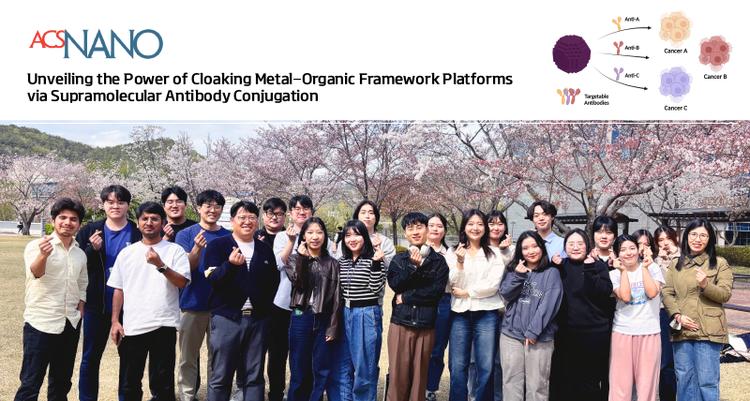
New Study Unveils the Power of Cloaking MOF Platforms via Supramolecular Antibody ConjugationThe findings of this research have been published in ACS Nano on June 7, 2024.
Abstract Targeted drug delivery systems based on metal–organic frameworks (MOFs) have progressed tremendously since inception and are now widely applicable in diverse scientific fields. However, translating MOF agents directly to targeted drug delivery systems remains a challenge due to the biomolecular corona phenomenon. Here, we observed that supramolecular conjugation of antibodies to the surface of MOF particles (MOF-808) via electrostatic interactions and coordination bonding can reduce protein adhesion in biological environments and show stealth shields. Once antibodies are stably conjugated to particles, they were neither easily exchanged with nor covered by biomolecule proteins, which is indicative of the stealth effect. Moreover, upon conjugation of the MOF particle with specific targeted antibodies, namely, anti-CD44, human epidermal growth factor receptor 2 (HER2), and epidermal growth factor receptor (EGFR), the resulting hybrid exhibits an augmented targeting efficacy toward cancer cells overexpressing these receptors, such as HeLa, SK-BR-3, and 4T1, as evidenced by flow cytometry. The therapeutic effectiveness of the antibody-conjugated MOF (anti-M808) was further evaluated through in vivo imaging and the assessment of tumor inhibition effects using IR-780-loaded EGFR-M808 in a 4T1 tumor xenograft model employing nude mice. This study therefore provides insight into the use of supramolecular antibody conjugation as a promising method for developing MOF-based drug delivery systems. A research team, led by Professor Ja-Young Ryu from the Department of Chemistry at UNIST has developed a carrier that combines metal-organic framework (MOF) nanoparticles with antibodies. This innovative carrier can accurately target specific cancer cells. Antibody proteins are attached to the surface of MOF particles, enhancing bio-environmental safety by reducing unnecessary interactions with non-cancerous cells. MOF nanoparticles are composed of metal clusters and organic structures. Various combinations can be formulated to create particles with diverse functionalities, including biocompatibility, heat sensitivity, and light sensitivity. However, immune cells can eliminate or aggregate the defects and reactive sites present on the particle surface. Figure 1. Shown above is the cloaking antibody–MOF platform. Addressing these challenges, the research team successfully conjugated antibody proteins to the MOF nanoparticles. This modification allows for precise identification of target cancer cells while minimizing unwanted reactions. The attachment of the antibody proteins does not induce significant chemical changes, thereby streamlining the process of complex formation. The antibody-MOF complexes can target a wide variety of cancer cells. The antibody proteins serve as a protective layer, reducing adhesion to other proteins within the biological environment. Experimental results have demonstrated the efficacy of this complex. Professor Ryu stated, "The method developed in this study has secured high versatility and stability as a drug carrier by attaching actual antibody proteins to MOF nanoparticles." The findings of this research have been published in ACS Nano on June 7, 2024. The research was conducted in collaboration with Professor Myoung Soo Lah in the Department of Chemistry at UNIST and Professor Sang Kyu Kwak from Korea University, and it received support from the National Research Foundation of Korea (NRF) under the Ministry of Science and ICT (MSIT). Journal Reference Jun Yong Oh, Batakrishna Jana, Junmo Seong, et al., "Unveiling the Power of Cloaking Metal–Organic Framework Platforms via Supramolecular Antibody ConjugationArticle link copied!," ACS Nano, (2024).- 2024-08-23
- JooHyeon Heo
- 2957
-
Research
New Advances in Wireless Power Transmission Technology for WearablesTheir findings have been published online in npj Flexible Electronics on July 18, 2024.
Abstract Due to their inherent flexibility, solution-processable conjugated polymers are increasingly being considered for the cost-effective production of thin-film semiconductor devices used in Internet of Everything (IoE) applications. With considerable improvements in charge carrier mobilities, the final challenge impeding the commercialization of conjugated polymers may be improving their environmental and electrical stabilities. Recent studies have improved the stability of computing devices (i.e., transistors) by eliminating interface traps and water molecules within conjugated polymers. However, the stability issue of Schottky diodes, which play a crucial role in configuring thin-film IoE devices used in wireless communication and energy harvesting, has been largely overlooked. This study reveals that aluminum, which is commonly used as a cathode metal in polymer Schottky diodes, creates a nonstoichiometric effect when deposited on conjugated polymers, thereby leading to the formation of charge traps over time, which reduces the rectification ratio of the Schottky diodes and induces a significant bias stress effect during operation. To address this issue, we introduce a zinc-oxide sacrificial interlayer between the conjugated polymer and cathode. This interlayer effectively eliminates the penetrated Al metal or ionized Al-induced nonstoichiometric effect without reducing the charge injection efficiency, achieving exceptional environmental and operational stability. The printed polymer Schottky diodes demonstrate consistent rectifying operation at 13.56 MHz for several months with negligible changes in electrical characteristics. A research team, affiliated with UNIST has unveiled a novel technology, capable of wirelessly power wearable devices, hence promising to enhance their longevity and efficiency. Professor Jimin Kwon and Dr. Yongwoo Lee in the Department of Electrical and Electronic Engineering at UNIST, in collaboration with Professor Sungjune Jung from POSTECH, have developed a method to enhance the stability of polymer Schottky diodes over prolonged periods. This advancement addresses the significant issue of performance degradation in diodes caused by exposure to oxygen and moisture. By resolving the challenges associated with the interaction between the polymer and metal components, the research team successfully created a thin yet stable Schottky diode. This diode allows for unidirectional current flow, enabling the use of high-performance wearable devices with low power consumption. Notably, the Schottky diode maintains electrical flow efficiency by introducing an oxide layer between the metal and the polymer. This innovation is expected to significantly advance the development of rapid wireless communication and energy harvesting technologies, as it can reliably process 13.56 MHz signals even on flexible substrates. The research team conducted extensive experiments to identify the underlying causes of diode performance degradation. They discovered that the primary issue lies in the interaction between the semiconductor layer and the cathode metal layer. These interactions were systematically analyzed using X-ray photoelectron spectroscopy and secondary ion mass spectrometry, in conjunction with electrical analysis. "While considerable progress has been made in research on wearable devices, stability issues in wireless power transmission remain unresolved," stated lead author Dr. Lee. "The technology developed in this study offers a flexible wireless power transmission solution that maintains performance for several months, which will be crucial for advancing next-generation wearable devices," he added. The findings of this research were published online on July 18 in npj Flexible Electronics, a prestigious international academic journal in the field of electronic engineering. The study received support from the National Research Foundation of Korea (NRF), the Ministry of Science and ICT (MSIT), the Institute of Information and Communication Planning and Evaluation (IITP), and the Korea Innovation Foundation (INNOPOLIS). Journal Reference Yongwoo Lee, Boseok Kang, Sungjune Jung, Jimin Kwon, "Stabilizing Schottky junction in conjugated polymer diodes enables long-term reliable radio-frequency energy harvesting on plastic," npj Flex. Electron., (2024).- 2024-08-22
- JooHyeon Heo
- 2812
-
Research
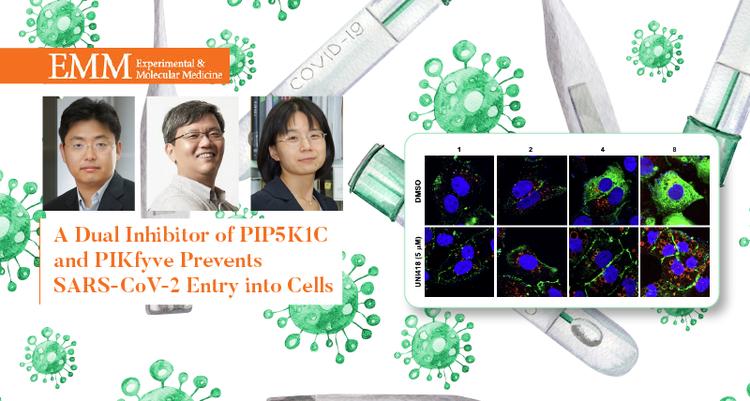
Groundbreaking Study Unveils Novel Treatment for Blocking SARS-CoV-2 Entry into CellsTheir findings have been published in the online version of Experimental & Molecular Medicine (Nature Publishing Group).
Abstract The SARS-CoV-2 pandemic has had an unprecedented impact on global public health and the economy. Although vaccines and antivirals have provided effective protection and treatment, the development of new small molecule-based antiviral candidates is imperative to improve clinical outcomes against SARS-CoV-2. In this study, we identified UNI418, a dual PIKfyve and PIP5K1C inhibitor, as a new chemical agent that inhibits SARS-CoV-2 entry into host cells. UNI418 inhibited the proteolytic activation of cathepsins, which is regulated by PIKfyve, resulting in the inhibition of cathepsin L-dependent proteolytic cleavage of the SARS-CoV-2 spike protein into its mature form, a critical step for viral endosomal escape. We also demonstrated that UNI418 prevented ACE2-mediated endocytosis of the virus via PIP5K1C inhibition. Our results identified PIKfyve and PIP5K1C as potential antiviral targets and UNI418 as a putative therapeutic compound against SARS-CoV-2. Despite the ongoing threat posed by new viruses following the emergence of severe acute respiratory syndrome coronavirus 2 (SARS-CoV-2), which led to the coronavirus disease 2019 (COVID-19) pandemic, new antiviral drugs continue to be developed to effectively block viral entry into the human body. Professor Kyungjae Myung and his research team in the Department of Biomedical Engineering, affiliated with the IBS Center for Genomic Integrity, has discovered UNI418, a compound that effectively prevents the penetration of the coronavirus. This compound works by regulating dielectric homeostasis, thereby inhibiting the virus's entry into human cells. Figure 1. Schematic image, showing the blockade of the endocytic pathway by UNI418 in SARS-CoV-2-infected cells. SARS-CoV-2, the virus that causes COVID-19 enters cells through endocytosis, a process whereby human cells absorb material from the outside by engulfing it with their cell membrane. The research team demonstrated that inhibiting specific proteins called, PIKfyve and PIP5K1C during this process can help maintain dielectric homeostasis and prevent viral invasion. Figure 2. The graphical model shows how UNI418 inhibits SARS-CoV-2 entry into cells by targeting PIP5K1C and PIKfyve. Genomic homeostasis is the protective system that secures genetic information and allows it to be utilized when needed. The research team established that UNI418 supports genomic homeostasis while simultaneously preventing the infiltration and proliferation of coronaviruses within cells. Existing treatments generally work by inhibiting viral proteins to prevent proliferation, but they are often less effective against mutant strains of the virus. This study represents the first evidence that UNI418 can disrupt the virus’s infection process, highlighting its potential as a treatment for mutant coronaviruses and other viral infections. Co-researcher Joo-Yong Lee from Chungnam National University noted, "We proposed the potential of blocking the virus in the early stages of its entry into the human body." Dr. Meheyein Kim from the Korea Research Institute of Chemical Technology (KRICT) added, "There is a high likelihood that UNI418 can develop into a new treatment paradigm that effectively blocks various viral infections." The findings were published in the online version of Experimental & Molecular Medicine (Nature Publishing Group), a prominent global medical journal on August 1, 2024. Journal Reference Yuri Seo, Yejin Jang, Seon-gyeong Lee, et al., "A dual inhibitor of PIP5K1C and PIKfyve prevents SARS-CoV-2 entry into cells," Exp. Mol. Med., (2024).- 2024-08-21
- JooHyeon Heo
- 3048
-
Research
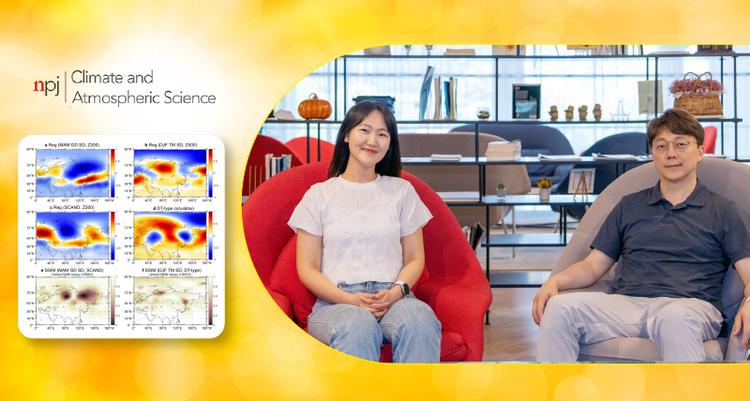
New Study Reveals AI-Driven Approaches for Predicting Heatwaves in South Korea Using Snowfall Data from Mongolia and ChinaThe findings of this research have been published in npj Climate and Atmospheric Science on August 3, 2024.
Abstract Increasing heatwave intensity and mortality demand timely and accurate heatwave prediction. The present study focused on teleconnection, the influence of distant land and ocean variability on local weather events, to drive long-term heatwave predictions. The complexity of teleconnection poses challenges for physical-based prediction models. In this study, we employed a machine learning model and explainable artificial intelligence to identify the teleconnection drivers for heatwaves in South Korea. Drivers were selected based on their statistical significance with annual heatwave frequency ( | R | > 0.3, p < 0.05). Our analysis revealed that two snow depth (SD) variabilities—a decrease in the Gobi Desert and increase in the Tianshan Mountains—are the most important and predictive teleconnection drivers. These drivers exhibit a high correlation with summer climate conditions conducive to heatwaves. Our study lays the groundwork for further research into understanding land–atmosphere interactions over these two SD regions and their significant impact on heatwave patterns in South Korea. As record-breaking heatwaves become increasingly frequent in South Korea, the development of AI-driven prediction technologies is emerging as a vital tool in responding to these extreme weather events and other climate changes. Professor Jungho Im and his research team from the Department of Civil, Urban, Earth, and Environmental Engineering at UNIST have developed an innovative AI model for predicting heatwaves. This model analyzes a range of global climate factors, including sea surface temperature (SST), soil moisture (SM), snow depth (SD), and sea-ice concentration (SIC). Notably, the snow depth in the Mongolian desert and the Tianshan Mountains has been identified as a critical factor in forecasting the number of heatwave days in South Korea. Figure 1. Geographical distribution of selected teleconnection drivers for heatwave frequency in South Korea. The concept of teleconnection—where the variability of terrestrial and oceanic conditions interacts with the atmosphere to influence weather patterns in distant regions—was foundational to this research. The team identified specific areas that significantly affect heatwaves and integrated these findings into their prediction model. Figure 2. Time series of SHAP values for teleconnection drivers. Their research demonstrated that an increase in snow depth in the Tianshan Mountains during winter, coupled with a decrease in snow depth in the Gobi Desert during spring, are key variables in predicting summer heatwaves. The analysis confirmed a correlation between heightened variability in snow depth in these regions and rising summer temperatures in Korea. Figure 3. Composite maps of summer tropospheric conditions by snow depth in the Gobi Desert (MAM GD SD, Top) and northern China (MAM NC SD, Bottom). Remarkably, the snow depth in the Tianshan Mountains played a significant role in predicting the heatwave experienced in 2023. The complexity of interactions among various climate factors, such as soil moisture and sea surface temperature, is expected to evolve further in 2024. Figure 4. Atmospheric Patterns induced by variability in the two snow depths and their relation to heatwaves in South Korea. Researcher Yeonsu Lee commented, "We have established a link between snow depth and heatwaves in the Mongolian desert and the Tianshan Mountains." She added, "This structure aligns with existing large-scale teleconnection patterns and is likely to be crucial for improving heatwave predictions." Professor Im noted, "By monitoring the relationship between previously unexamined teleconnection factors and heatwaves, we can enhance prediction accuracy." He emphasized, "This study will significantly contribute to our understanding and response to heatwaves in Korea." This research was supported by the Korea Meteorological Administration (KMA), the National Research Foundation of Korea (NRF), and the Ministry of Oceans and Fisheries (MOF). The findings of this research have been published in npj Climate and Atmospheric Science on August 3, 2024. Journal Reference Yeonsu Lee, Dongjin Cho, Jungho Im et al., "Unveiling teleconnection drivers for heatwave prediction in South Korea using explainable artificial intelligence," npj Clim. Atmos. Sci., (2024).- 2024-08-20
- JooHyeon Heo
- 2475
-
Research
New Study Reveals Dopamine Analogue CA140 Mitigates Alzheimer’s Disease PathologyThe findings of this research have been published in the Journal of Neuroinflammation on August 11, 2024.
Abstract We recently reported that the dopamine (DA) analogue CA140 modulates neuroinflammatory responses in lipopolysaccharide-injected wild-type (WT) mice and in 3-month-old 5xFAD mice, a model of Alzheimer's disease (AD). However, the effects of CA140 on Aβ/tau pathology and synaptic/cognitive function and its molecular mechanisms of action are unknown. To investigate the effects of CA140 on cognitive and synaptic function and AD pathology, 3-month-old WT mice or 8-month-old (aged) 5xFAD mice were injected with vehicle (10% DMSO) or CA140 (30 mg/kg, i.p.) daily for 10, 14, or 17 days. Behavioral tests, ELISA, electrophysiology, RNA sequencing, real-time PCR, Golgi staining, immunofluorescence staining, and western blotting were conducted. In aged 5xFAD mice, a model of AD pathology, CA140 treatment significantly reduced Aβ/tau fibrillation, Aβ plaque number, tau hyperphosphorylation, and neuroinflammation by inhibiting NLRP3 activation. In addition, CA140 treatment downregulated the expression of cxcl10, a marker of AD-associated reactive astrocytes (RAs), and c1qa, a marker of the interaction of RAs with disease-associated microglia (DAMs) in 5xFAD mice ... The small molecule dopamine analogue (DA) CA140, which binds to Amyloid-β (Aβ), presents new possibilities for the treatment of degenerative brain diseases. Professor Jae-Ick Kim and his research team in the Department of Biological Sciences at UNIST, in collaboration with a team, led by Director Hyang-Sook Hoe at the Korea Brain Research Institute (KBRI), has demonstrated that the newly synthesized compound CA140 alleviates symptoms of Alzheimer's disease (AD). Figure 1. CA140 reduces Aβ/tau aggregate formation, Aβ levels, and AD pathology in vitro and in vivo. Dopamine is a key neurotransmitter involved in various brain functions, including motor control, cognition, and memory, and has recently garnered attention for its role in Alzheimer's disease. Figure 2. Identification of genes affected by CA140 in 3-month-old 5xFAD mice. In the brains of individuals with AD, both functional abnormalities and changes in the expression levels of dopamine receptors DRD1 and DRD2 have been observed. Studies indicate that administering a dopamine precursor can partially improve synaptic function and cognitive abilities. Figure 3. CA140 treatment regulates reactive gliosis in primary astrocytes (PACs) and primary microglia (PMC) from 5xFAD mice. The research team confirmed that the administration of the DA analogue CA140 to a model of AD resulted in a reduction of Aβ accumulation and tau protein aggregation, which are major contributors to AD pathology. Furthermore, CA140 administration alleviated neuroinflammation associated with the disease and restored synaptic function, plasticity, and memory loss. Figure 4. CA140 alleviates cognitive function/Aβ pathology through DRD1 signaling in an aged AD mouse model. CA140 has been shown to enhance neuronal function and memory in both normal animal models and those with cognitive impairments. The research team hypothesizes that CA140 operates through the dopamine receptor DRD1 to improve memory and alleviate symptoms of Alzheimer's disease. Professor Kim stated, "We have confirmed the potential for DA analogues to significantly impact the treatment of not only Parkinson's disease, but also Alzheimer's disease." He further added, "We hope that CA140 can serve as a foundational technology for developing new treatments for degenerative brain diseases, including Alzheimer's." Researcher Ha-Eun Lee noted, "It is highly significant that CA140 demonstrates the ability to ameliorate the disease in Alzheimer's animal models, particularly through its effects on synaptic plasticity. We aspire to contribute to the development of innovative treatments for degenerative brain diseases through this research." The findings of this research have been published in the Journal of Neuroinflammation on August 11, 2024. Journal Reference Sehyun Chae, Hyun-Ju Lee, Ha-Eun Lee, et al., "The dopamine analogue CA140 alleviates AD pathology, neuroinflammation, and rescues synaptic/cognitive functions by modulating DRD1 signaling or directly binding to Abeta," J. Neuroinflammation, (2024).- 2024-08-16
- JooHyeon Heo
- 2529
-
Research
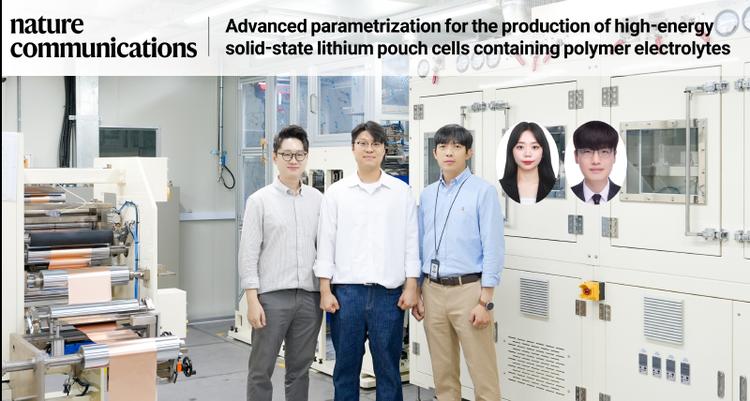
New Study Unveils Advanced Methods for High-Energy Solid-State Lithium Pouch CellsThe findings of this research have been published in the July 2024 issue of Nature Communications.
A research team affiliated with UNIST has unveiled a comprehensive design method for the development of solid-state batteries (SSBs), marking a significant advancement in the field of battery design. Professor Sungkyun Jung and his research team from the School of Energy and Chemical Engineering at UNIST, in collaboration with Dr. Jinsoo Kim from the Korea Institute of Energy Research (KIER), have developed a design methodology and a general-purpose toolkit aimed at facilitating the implementation of high-energy-density SSBs, successfully completing performance validations. Figure 1. Particle composition and density design strategy for ideal SSB microstructure. SSBs present a safe alternative to conventional lithium batteries by effectively addressing the flammability issues associated with liquid electrolytes. Through the utilization of solid electrolytes, these batteries eliminate fire risks and significantly enhance energy density via optimized design. However, much of the existing research has remained confined to laboratory settings, hampered by inefficient research and development processes due to the absence of clear scientific guidelines. The research team identified three key thresholds essential for battery design and proposed the world’s first general-purpose methodology for SSB development. A pouch-type cell manufactured using this methodology achieved an energy density that surpasses that of commercial lithium batteries and has received certification from an accredited testing agency. Figure 2. Electrochemical characteristics and compositions of practical SSB pouch cells. The SSB consists of the cathode, anode, and solid-state electrolyte (SSE), with a higher energy density resulting from denser anode particles. To optimize this, the research team established a balance threshold, which defines the optimal structure for particle concentration, and adjusted the ratio of anode particles to solid electrolyte based on this value, allowing for diverse design variations. Furthermore, the team defined the minimum density required for effective current flow as the “transmission threshold” and established the “load threshold” necessary for electrode thickness design. These parameters provide essential guidance for optimizing electrode design. By utilizing this methodology, the team produced a pouch-type cell with an exceptional energy density of 310 Wh/kg at a capacity of 0.5 Ah, which has been officially certified by the Korea Conformity Laboratories (KCL). They also developed a toolkit called SolidXCell, designed for intuitive and systematic SSB design, which is being made available to researchers at no cost. Professor Jung and Dr. Kim remarked, "This study will significantly aid in designing solid-state batteries, and we anticipate that many researchers will leverage this methodology to enhance battery performance." The findings of this research have been published in the July 2024 issue of Nature Communications. It has received support from the National Research Council of Science and Technology (NST) and the National Research Foundation of Korea (NRF). Journal Reference Wonmi Lee, Juho Lee, Taegyun Yu, et al., "Advanced parametrization for the production of high-energy solid-state lithium pouch cells containing polymer electrolytes," Nat. Commun., (2024).- 2024-08-12
- JooHyeon Heo
- 2137
-
Research
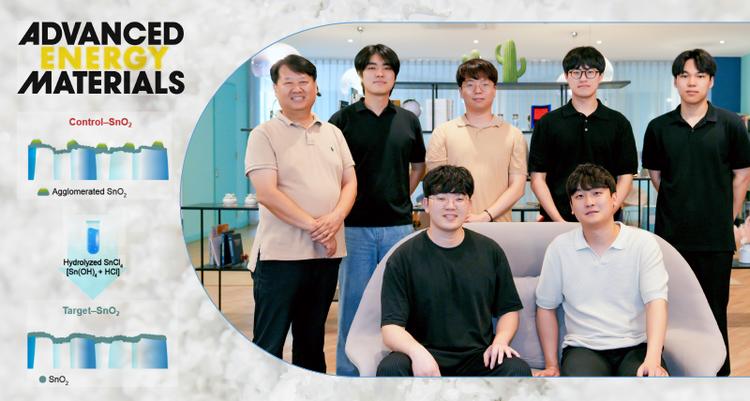
Cost-Effective Tin Chloride Boosts Efficiency of Perovskite Solar CellsThe findings of this research have been published online in Advanced Energy Materials on July 3, 2024.
Abstract The prominent chemical bath deposition (CBD) method leverages tin dioxide (SnO2) as an electron transport layer (ETL) in perovskite solar cells (PSCs), achieving exceptional efficiency. The deposition of SnO2, however, can lead to the formation of oxygen vacancies and surface defects, which subsequently contribute to performance challenges such as hysteresis and instability under light-soaking conditions. To alleviate these issues, it is crucial to address heterointerface defects and ensure the uniform coverage of SnO2 on fluorine-doped tin oxide substrates. Herein, the efficacy of tin(IV) chloride (SnCl4) post-treatment in enhancing the properties of the SnO2-ETL and the performances of PSCs are presented. The treatment with SnCl4 not only removes undesired agglomerated SnO2 nanoparticles from the surface of CBD SnO2 but also improves its crystallinity through a recrystallization process. This leads to an optimized interface between the SnO2-ETL and perovskite, effectively minimizing defects while promoting efficient electron transport. The resultant PSCs demonstrate improved performance, achieving an efficiency of 25.56% (certified with 24.92%), while retaining 95.84% of the initial PCE under ambient storage conditions. Additionally, PSCs treated with SnCl4 endure prolonged light-soaking tests, particularly when subjected to quasi-steady-state-IV measurements. This highlights the potential of SnCl4 treatment as a promising strategy for advancing PSC technology. The commercialization of perovskite solar cells (PSCs) is anticipated to accelerate through the use of inexpensive tin (IV) chloride (SnCl4). A research team jointly led by Professor Dong Suk Kim from the Graduate School of Carbon Neutrality at UNIST and Dr. Yimhyun Jo from the Korea Institute of Energy Research (KIER) has significantly enhanced the stability of PSCs. By applying IV chloride to a layer of tin oxide, the team has improved the stability of these solar cells. To achieve high efficiency in PSCs, it is crucial to manage surface defects in the electron transport layer (ETL)—a thin film that facilitates the efficient extraction and transport of electrons. Such defects greatly influence both the stability and efficiency of PSCs. Figure 1. Schematic illustration of the SnCl4 treatment process applied to the SnO2 ETL prepared via the CBD method. The research team dissolved IV SnCl4 in water and applied it to the oxide layer. This process has resulted in the complete oxidation of the upper layer of tin oxide and facilitated recrystallization, leading to enhanced electron mobility. Figure 2. (Top) Storage stability of the PSCs tested in ambient condition (25 °C, 25% RH), (Center) Thermal stability of the PSCs subjected to thermal stress at 65 °C (25% RH). QSS J–V curves of the (Bottom) control- and d) target-PSCs. Chemical bath deposition (CBD) is a widely used approach that leverages tin dioxide (SnO2) as the electron transport layer (ETL) in PSCs, achieving exceptional efficiency. However, the deposition of SnO2 can lead to the formation of surface defects, which are inevitable due to the incomplete oxidation of tin. Addressing these defects post-film formation is vital for achieving both high efficiency and long-term stability. For the successful commercialization of PSCs, it is essential to pass various certification tests. The research team demonstrated the effectiveness of their approach by enhancing the electron transport layer (ETL) and showcasing long-term resistance to heat and ultraviolet exposure. Professor Kim stated, "Through this study, we succeeded in suppressing the aggregation of tin oxides and improving their crystallinity," adding, "This technology will play a pivotal role in enhancing the stability of solar cells." Researchers Ji Won Song and Dr. Yun Seop Shin noted, "We expect to positively impact the energy industry by simultaneously achieving high efficiency, durability, and low cost with affordable IV SnCl4." The findings of this research have been published online in Advanced Energy Materials on July 3, 2024. Journal Reference Ji Won Song, Yun Seop Shin, Minjin Kim, et al., "Post-Treated Polycrystalline SnO2 in Perovskite Solar Cells for High Efficiency and Quasi-Steady-State-IV Stability," Adv. Energy Mater., (2024).- 2024-08-09
- JooHyeon Heo
- 2274
-
Research
Preventing Personal Information Infringement in AI Progress with Federated LearningThe findings of this research have been published in the International Conference on Machine Learning (ICML) on July 20, 2024.
Abstract Albeit the success of federated learning (FL) in decentralized training, bolstering the generalization of models by overcoming heterogeneity across clients still remains a huge challenge. To aim at improved generalization of FL, a group of recent works pursues flatter minima of models by employing sharpness-aware minimization in the local training at the client side. However, we observe that the global model, i.e., the aggregated model, does not lie on flat minima of the global objective, even with the effort of flatness searching in local training, which we define as flatness discrepancy. By rethinking and theoretically analyzing flatness searching in FL through the lens of the discrepancy problem, we propose a method called Federated Learning for Global Flatness (FedGF) that explicitly pursues the flatter minima of the global models, leading to the relieved flatness discrepancy and remarkable performance gains in the heterogeneous FL benchmarks. With the advancement of artificial intelligence (AI), the issue of user privacy infringement has become increasingly serious. Federated learning (FL) has emerged as a core technology to address this challenge, especially in the realm of on-device AI that has garnered significant interest from IT companies. Professor Sung Whan Yoon and his team in the Graduate School of Artificial Intelligence at UNIST have developed a groundbreaking technology, called FedGF (Federated Learning for Global Flatness) that enhances AI performance while safeguarding personal information. This innovation is poised to tackle the problem of user data leakage effectively. Figure 1. Schematic image, describing the federated learning algorithm. The research team has created a method that consistently delivers high performance across diverse user data distributions. Unlike existing technologies, which perform well only in environments similar to the training data, FedGF maintains its efficacy across various scenarios. Figure 2: Visualization of the loss surface of FedSAM for the CIFAR-100 case (α = 0). Federated learning (FL) protects personal information by training deep learning models directly on user devices. However, its effectiveness can be hampered by data discrepancies among devices. FedGF achieves high accuracy by optimizing models based on the local training from each device, all without transmitting sensitive data to a central server. Figure 3. Comparison between the existing method (left) and the proposed algorithm (right). In addition to its robustness, FedGF is highly efficient, requiring fewer communication resources than traditional methods. This efficiency is particularly beneficial for mobile devices that rely on wireless communication, such as Wi-Fi. Figure 4. Performance of the proposed algorithm (FedGF: Red Box) Professor Yoon stated, "Federated learning will serve as a crucial foundation in addressing AI privacy infringement." He added, "It will significantly assist major IT companies in overcoming challenges related to personal information and data heterogeneity." First author Taehwan Lee remarked, "With FedGF technology, companies can develop high-performance AI models without infringing on personal information, thus paving the way for advancements in various fields such as IT, healthcare, and autonomous driving." Figure 5. Loss surface of FedGF for CIFAR-100 (α = 0). The research findings were published online on July 20 at the International Conference on Machine Learning (ICML). This project was conducted as part of an international collaboration on information protection, supported by the Ministry of Science and ICT (MSIT), as well as an initiative for training talent in the fields of information and communication broadcasting. Journal Reference Taehwan Lee and Sung Whan Yoon, "Rethinking the Flat Minima Searching in Federated Learning," ICML, (2024).- 2024-08-08
- JooHyeon Heo
- 2367