UNIST site map
- Admissions
-
Academics
- Colleges and Schools
-
Academic Affairs
- Academic Calendar
- Academic Curriculum
- Requirements for Graduation
- Browse Open Courses
- Undergraduate Administration
-
Graduate Academic Affairs
- Tuition Fee Payment
- Academic Leave of Absence/ Academic Return
- Voluntary Withdrawal/ Expulsion
- Change of Major
- Change of Degree Program/ Dropping of Degree Program
- Class Period/ Attendance Period/ Academic Year・Semester
- Course Registration
- Course Drop
- Attendance/ Grade/ Exam
- Credit Transfer/ Credit Carryover
- Academic Forms
- Education Support
-
Research/Industry
- Research Aims
- Research Findings
- Researcher Search
-
Research Organizations
- UNIST Multi-Interdisciplinary Institute
- IBS Research Groups
-
UNIST Labs
- Department of Mechanical Engineering
- School of Energy and Chemical Engineering
- Department of Civil
- Department of Materials Science and Engineering
- Department of Nuclear Engineering
- Department of Industrial Engineering
- Department of Design
- Department of Biomedical Engineering
- Department of Biological Sciences
- Department of Electrical Engineering
- Department of Computer Science and Engineering
- Department of Mathematical Sciences
- Department of Chemistry
- Department of Physics
- School of Business Administration
- Graduate School of Carbon Neutrality
- Graduate School of Artificial Intelligence
- Research Support
- University-Industry Relations
- Campus Life
- News Center
- About UNIST
-
etc
- UNIST Bulletin
- Work-Life Balance Support System
- UNIST Gender Equality Plan
- Faculty Invitation for Tenure Track
- Faculty Invitation for Non-Tenure Track
- Board Meeting Minutes
- University Council Meeting Minutes
- Administrative Service Charter
- Privacy Policy
- Copyright Policy
- Rejection of Unauthorized Email Collection
- Operation and Management Policy for Video Information Processing Devices
- Information Disclosure


Connection Points of Knowledge, Everything About UNIST
Try searching.
Recommended search terms


- portal
- U Academics Innovation Center
- Leadership Center
- Dormitory
- Academic Information Center
- International Students Support
- Browse Open Courses
- Course Registration
- Graduation Requirements for Graduation
- Academic Leave of Absence/ Academic Return
- Military Service
- Certificate Issuance
- Academic Calendar
- Scholarships
- Campus Map
- Campus Life Guidebook
- Health Care Center
- Human Rights Center
- portal
- Job Opening
- Announcement for Bid
- UNIST AI Services
- UNIST Daycare Center
- Sports Center
- UI Downloads
- Announcement
- Recruitment of Professors (Non-tenure)
- Faculty Invitation for Tenure Track
- UNIST Academic Information Center
- Office of Research Facilities and Training
- Office of Research Affairs
- Rule Management System
- Academic Calendar


This is a collection of menus necessary for UNIST students .
students
- portal
- U Academics Innovation Center
- Leadership Center
- Dormitory
- Academic Information Center
- International Students Support
- Browse Open Courses
- Course Registration
- Graduation Requirements for Graduation
- Academic Leave of Absence/ Academic Return
- Military Service
- Certificate Issuance
- Academic Calendar
- Scholarships
- Campus Map
- Campus Life Guidebook
- Health Care Center
- Human Rights Center


This is a collection of menus necessary for prospective UNIST Students .
prospective Students


This is a collection of menus necessary for UNIST Faculty & Staff .
Faculty & Staff
- portal
- Job Opening
- Announcement for Bid
- UNIST AI Services
- UNIST Daycare Center
- Sports Center
- UI Downloads
- Announcement
- Recruitment of Professors (Non-tenure)
- Faculty Invitation for Tenure Track
- UNIST Academic Information Center
- Office of Research Facilities and Training
- Office of Research Affairs
- Rule Management System
- Academic Calendar


NEWS CENTER
Discover not only Research Findings and event news, but also the diverse facets of UNIST presented by reporters and writers.
News Center

UNIST News
UNIST to Host ACS Publications Forum on the Future of Nanoscience
Leading journal editors and early-career researchers exchange ideas on emerging directions in nanoscience.
- News
- JooHyeon Heo
- 2026.08.06
- 2213
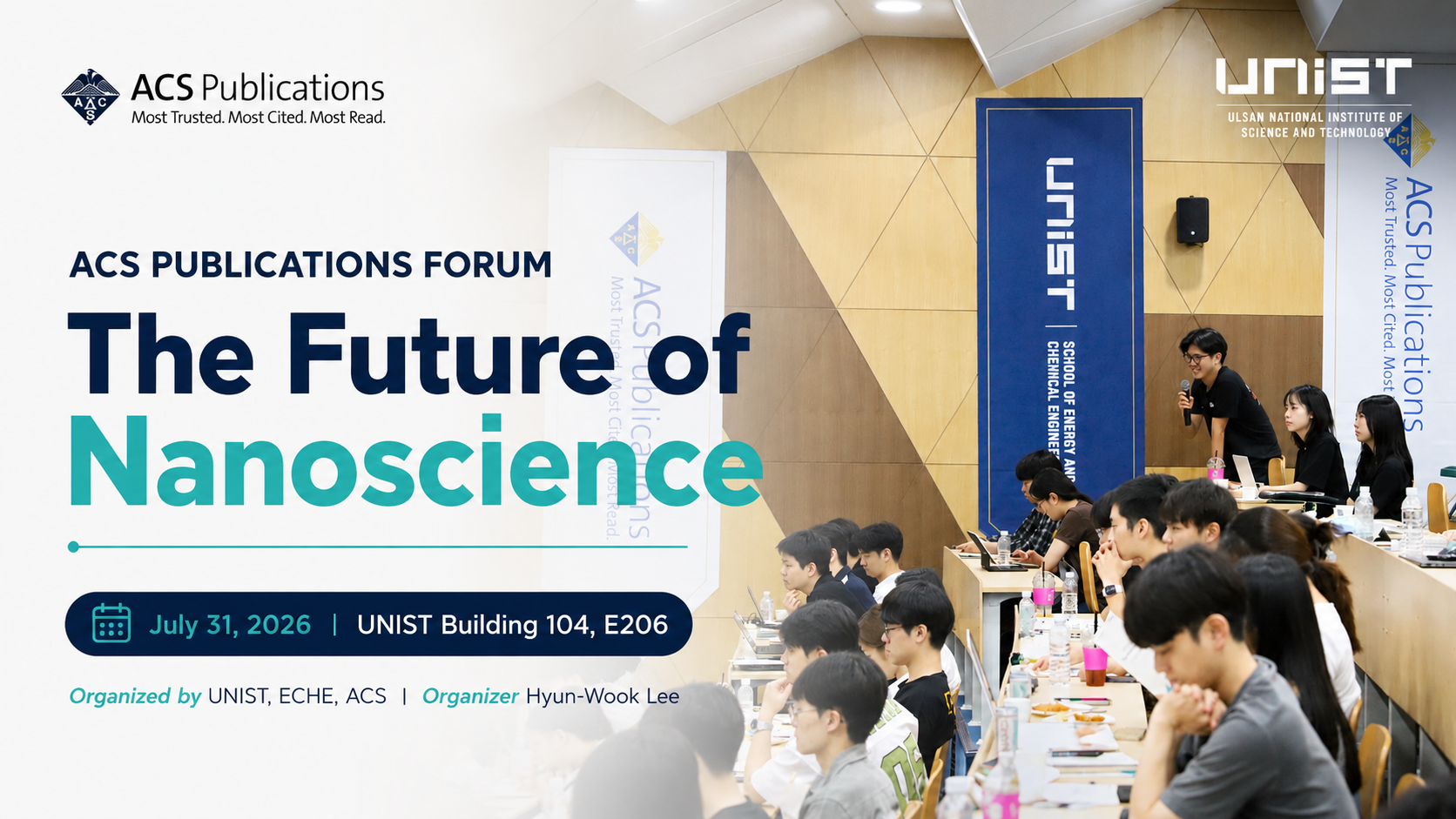
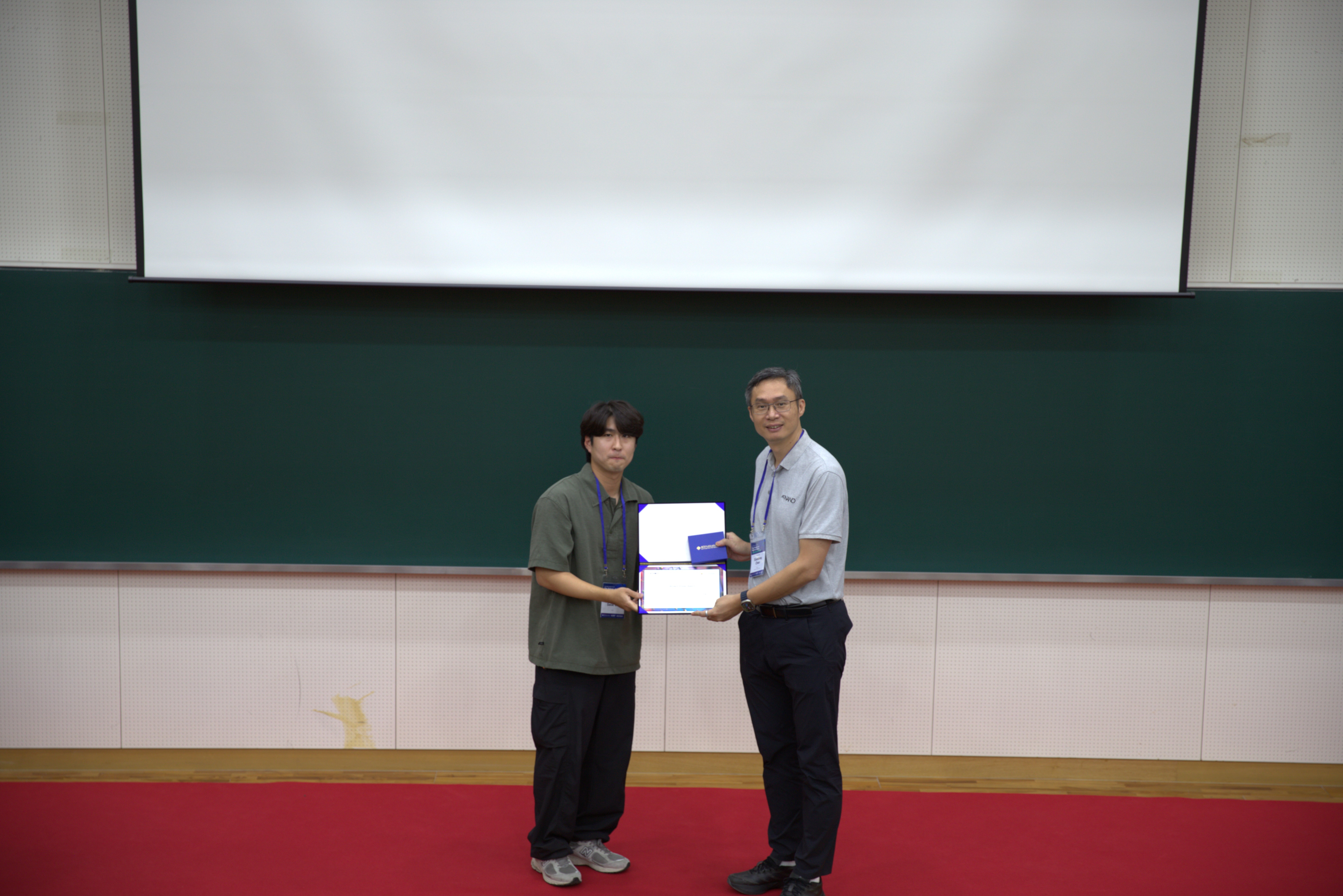
UNIST brought together leading scientific journal editors and early-career researchers on July 31 for the ACS Publications Forum: The Future of Nanoscience , a daylong program focused on emerging research across nanoscience and materials science.
Co-hosted by ACS Publications and the UNIST School of Energy and Chemical Engineering, the forum was held under the theme ' ACS Editors' Forum with Early-Career Leaders in South Korea .' The program combined editor sessions, research presentations, panel discussions, and a poster session, creating opportunities for researchers at different career stages to exchange ideas and explore new connections.
The forum featured Editor-in-Chief Teri W. Odom of Nano Letters, Editor-in-Chief Xiaodong Chen of ACS Nano, and Editor-in-Chief Suzie Pun of ACS Nano Medicine. Editors from Chemistry of Materials, ACS Nano, and Nano Letters, as well as representatives from ACS Publications, also participated.
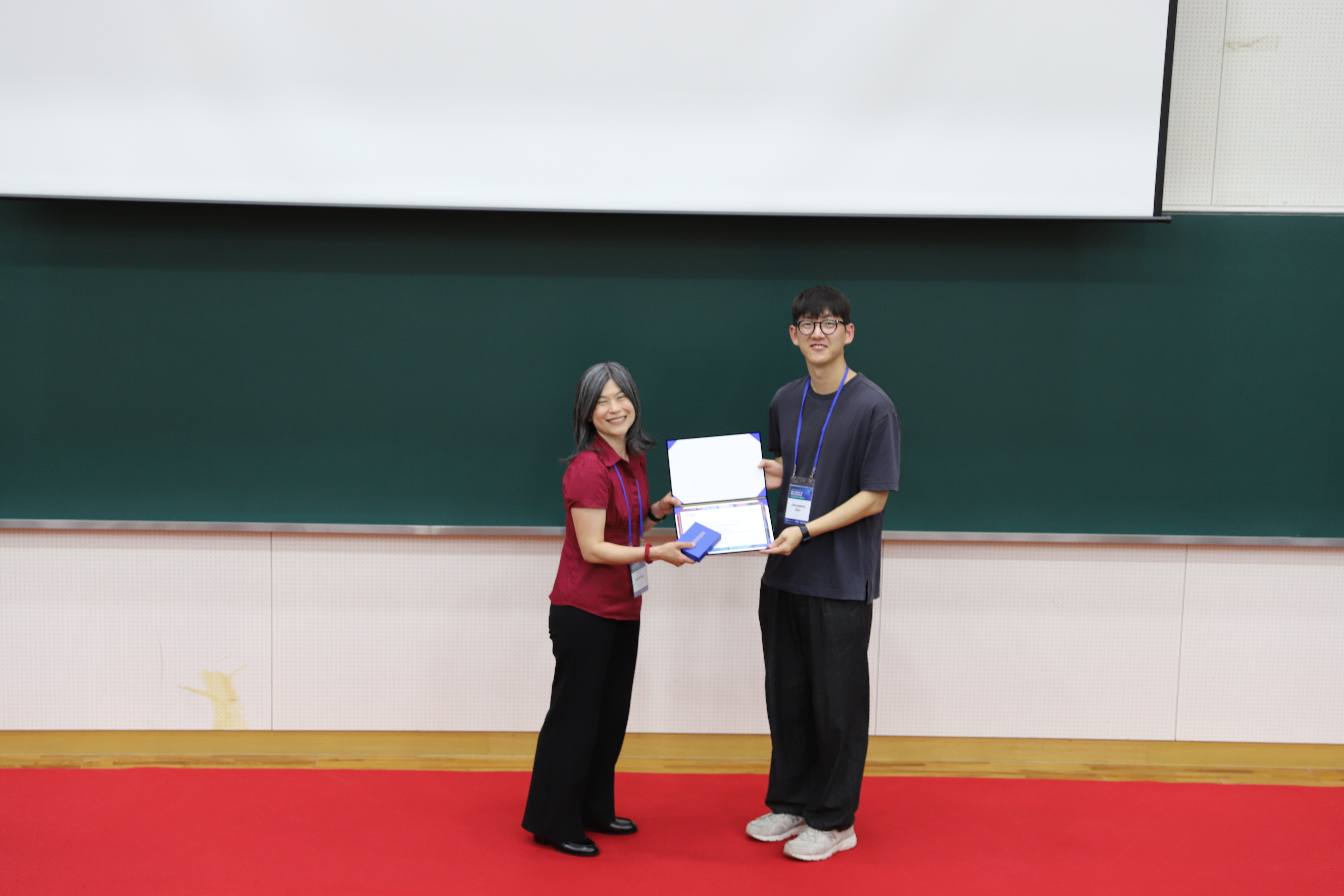
The afternoon Emerging Scholar Program highlighted research by early-career scientists from UNIST and other universities in Korea. Presentations covered battery chemistry and materials, energy conversion, catalysis, polymer self-assembly, stretchable electronics, optoelectronics, AI sensors, and two-dimensional materials, reflecting the breadth of current research across energy materials, soft matter, and electronics. The program also included a poster session featuring student research.
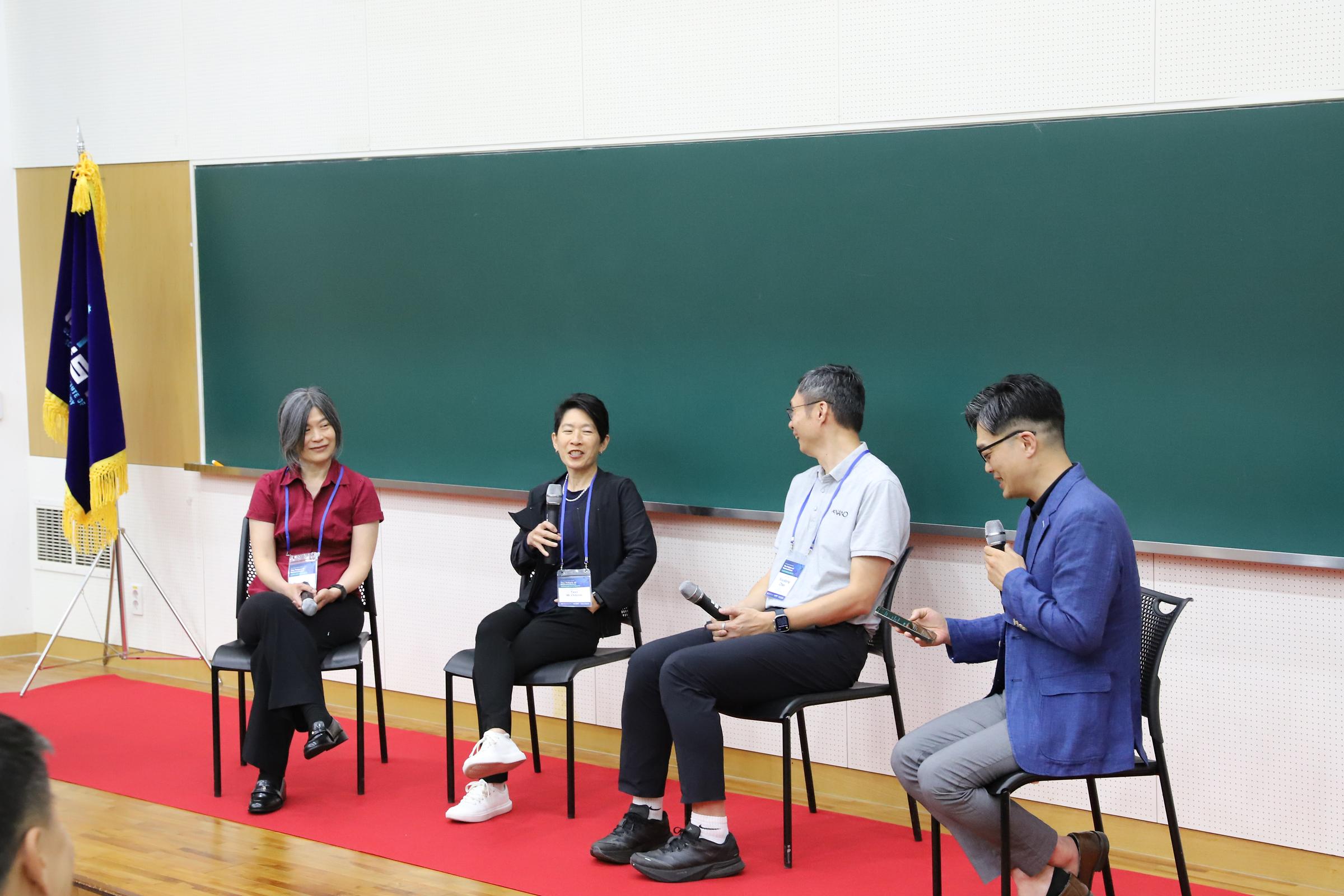
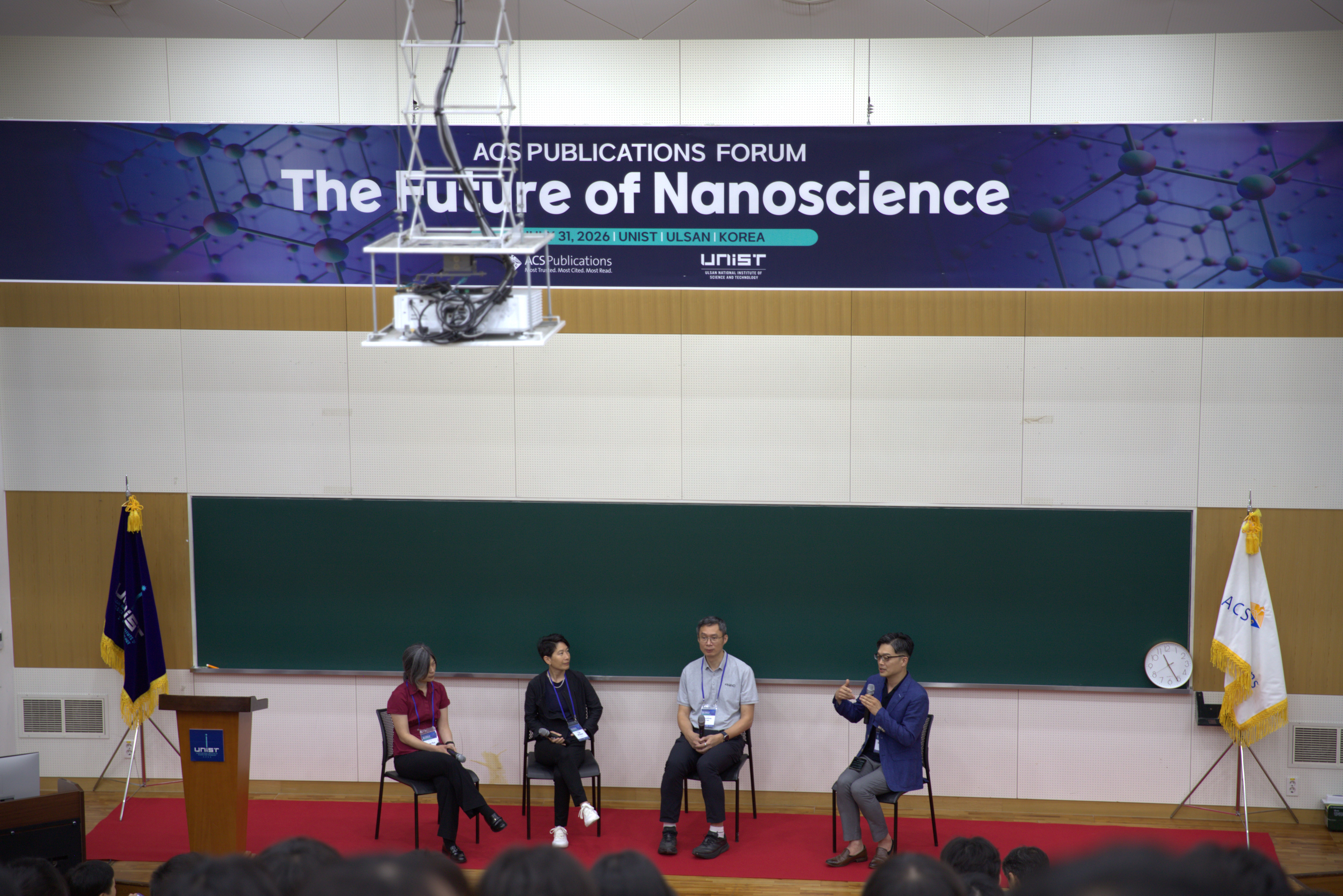
A panel discussion with journal editors provided another opportunity to exchange perspectives on scientific publishing and emerging directions in nanoscience, while networking sessions connected editors, faculty members, and early-career researchers.
Organized by Professor Hyun-Wook Lee of the School of Energy and Chemical Engineering at UNIST, the forum was designed to connect established journal editors with emerging researchers and strengthen scientific exchange across the nanoscience community. The event's broader research scope ranged from battery chemistry and energy conversion to stretchable electronics and polymer self-assembly.
Related Links
Related Photo









-
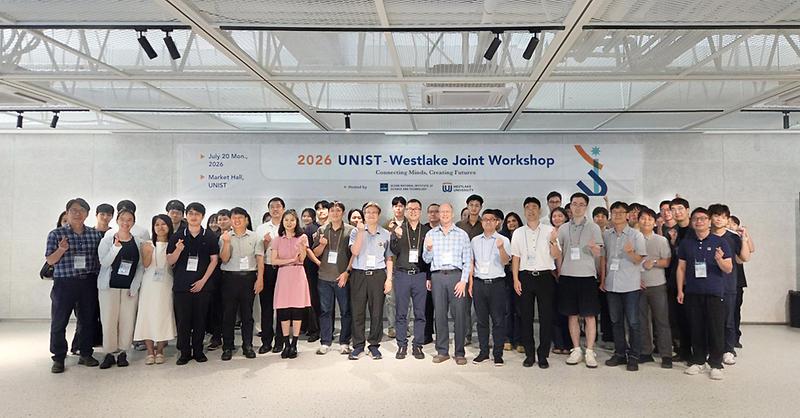
UNIST and Westlake University Expand Research Partnership in Sustainable Energy and Advanced Materials
-
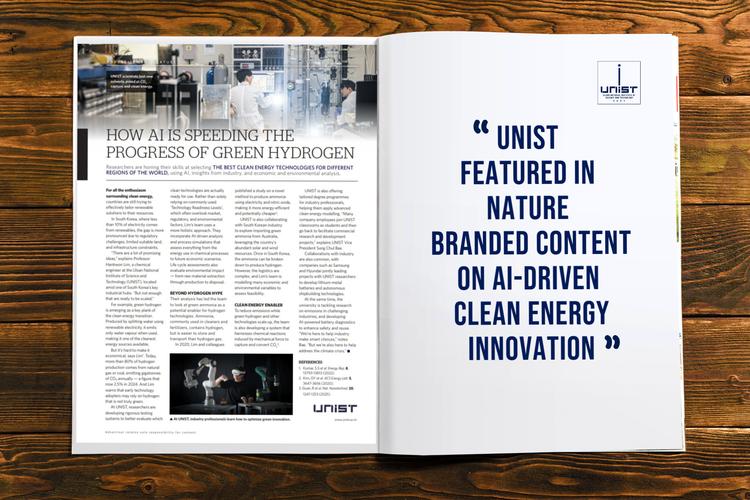
UNIST Featured in Nature Branded Content on AI-Driven Clean Energy Innovation
-
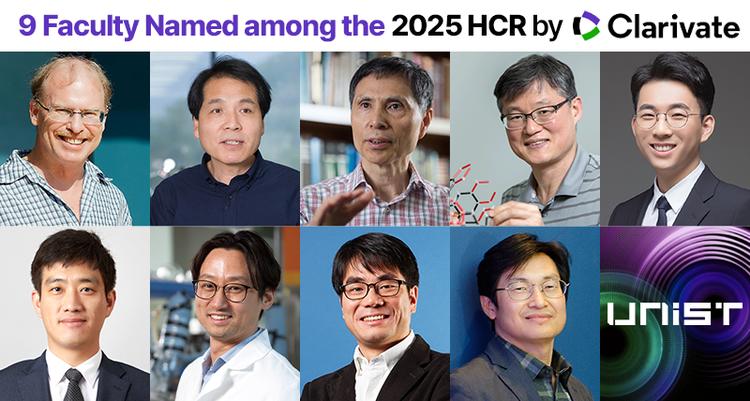
Nine UNIST Researchers Named Among the World's Most Highly Cited Researchers for 2025
-
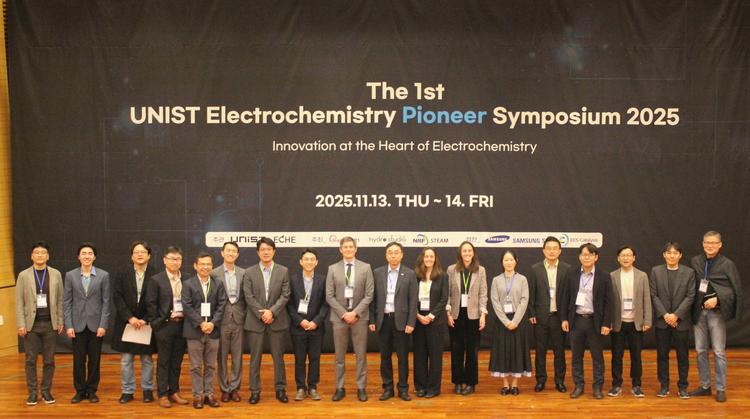
UNIST Launches UEPS 2025, Uniting Global Pioneers in Electrochemical Energy Innovation