UNIST site map
- Admissions
-
Academics
- Colleges and Schools
-
Academic Affairs
- Academic Calendar
- Academic Curriculum
- Requirements for Graduation
- Browse Open Courses
- Undergraduate Administration
-
Graduate Academic Affairs
- Tuition Fee Payment
- Academic Leave of Absence/ Academic Return
- Voluntary Withdrawal/ Expulsion
- Change of Major
- Change of Degree Program/ Dropping of Degree Program
- Class Period/ Attendance Period/ Academic Year・Semester
- Course Registration
- Course Drop
- Attendance/ Grade/ Exam
- Credit Transfer/ Credit Carryover
- Academic Forms
- Education Support
-
Research/Industry
- Research Aims
- Research Findings
- Researcher Search
-
Research Organizations
- UNIST Multi-Interdisciplinary Institute
- IBS Research Groups
-
UNIST Labs
- Department of Mechanical Engineering
- School of Energy and Chemical Engineering
- Department of Civil
- Department of Materials Science and Engineering
- Department of Nuclear Engineering
- Department of Industrial Engineering
- Department of Design
- Department of Biomedical Engineering
- Department of Biological Sciences
- Department of Electrical Engineering
- Department of Computer Science and Engineering
- Department of Mathematical Sciences
- Department of Chemistry
- Department of Physics
- School of Business Administration
- Graduate School of Carbon Neutrality
- Graduate School of Artificial Intelligence
- Research Support
- University-Industry Relations
- Campus Life
- News Center
- About UNIST
-
etc
- UNIST Bulletin
- Work-Life Balance Support System
- UNIST Gender Equality Plan
- Faculty Invitation for Tenure Track
- Faculty Invitation for Non-Tenure Track
- Board Meeting Minutes
- University Council Meeting Minutes
- Administrative Service Charter
- Privacy Policy
- Copyright Policy
- Rejection of Unauthorized Email Collection
- Operation and Management Policy for Video Information Processing Devices
- Information Disclosure


Connection Points of Knowledge, Everything About UNIST
Try searching.
Recommended search terms


- portal
- U Academics Innovation Center
- Leadership Center
- Dormitory
- Academic Information Center
- International Students Support
- Browse Open Courses
- Course Registration
- Graduation Requirements for Graduation
- Academic Leave of Absence/ Academic Return
- Military Service
- Certificate Issuance
- Academic Calendar
- Scholarships
- Campus Map
- Campus Life Guidebook
- Health Care Center
- Human Rights Center
- portal
- Job Opening
- Announcement for Bid
- UNIST AI Services
- UNIST Daycare Center
- Sports Center
- UI Downloads
- Announcement
- Recruitment of Professors (Non-tenure)
- Faculty Invitation for Tenure Track
- UNIST Academic Information Center
- Office of Research Facilities and Training
- Office of Research Affairs
- Rule Management System
- Academic Calendar


This is a collection of menus necessary for UNIST students .
students
- portal
- U Academics Innovation Center
- Leadership Center
- Dormitory
- Academic Information Center
- International Students Support
- Browse Open Courses
- Course Registration
- Graduation Requirements for Graduation
- Academic Leave of Absence/ Academic Return
- Military Service
- Certificate Issuance
- Academic Calendar
- Scholarships
- Campus Map
- Campus Life Guidebook
- Health Care Center
- Human Rights Center


This is a collection of menus necessary for prospective UNIST Students .
prospective Students


This is a collection of menus necessary for UNIST Faculty & Staff .
Faculty & Staff
- portal
- Job Opening
- Announcement for Bid
- UNIST AI Services
- UNIST Daycare Center
- Sports Center
- UI Downloads
- Announcement
- Recruitment of Professors (Non-tenure)
- Faculty Invitation for Tenure Track
- UNIST Academic Information Center
- Office of Research Facilities and Training
- Office of Research Affairs
- Rule Management System
- Academic Calendar


NEWS CENTER
Discover not only Research Findings and event news, but also the diverse facets of UNIST presented by reporters and writers.
News Center

UNIST News
UNIST Secures Five National Basic Research Laboratory Grants
- News
- JooHyeon Heo
- 2026.07.16
- 1024
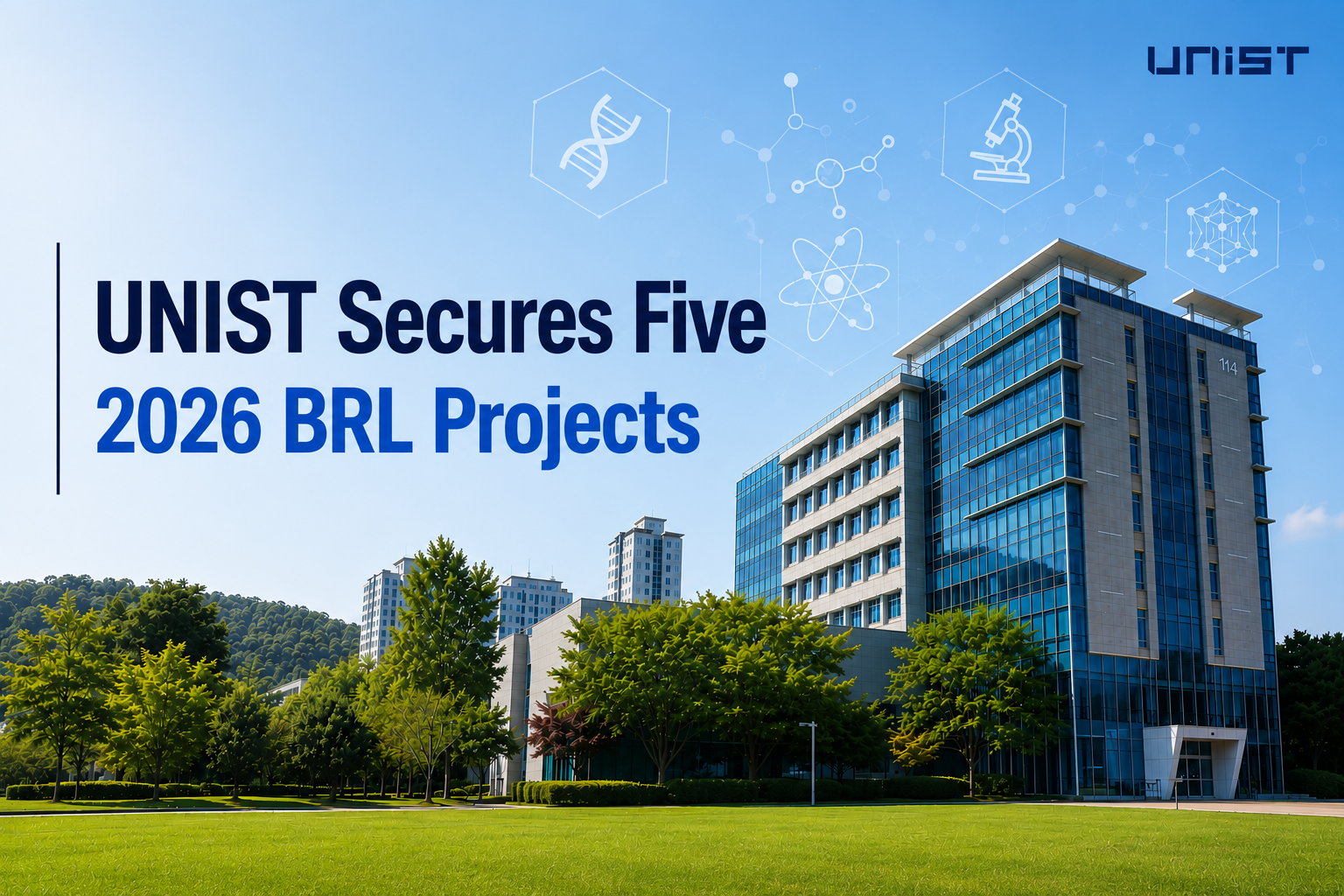
UNIST has secured five projects under the national 2026 Basic Research Laboratory (BRL) Project , earning KRW 7.5 billion in government funding over the next three years. The projects span life sciences, physics, materials science, and biomedical engineering, bringing together interdisciplinary teams to address fundamental scientific challenges.
Administered by the Ministry of Science and ICT (MSIT), the BRL Program supports collaborative basic research that benefits from the combined expertise of multiple investigators. Each selected project will receive KRW 1.5 billion over three years.
Three of the five newly funded projects are led by faculty in the Department of Biological Sciences—an exceptional outcome for a single department.
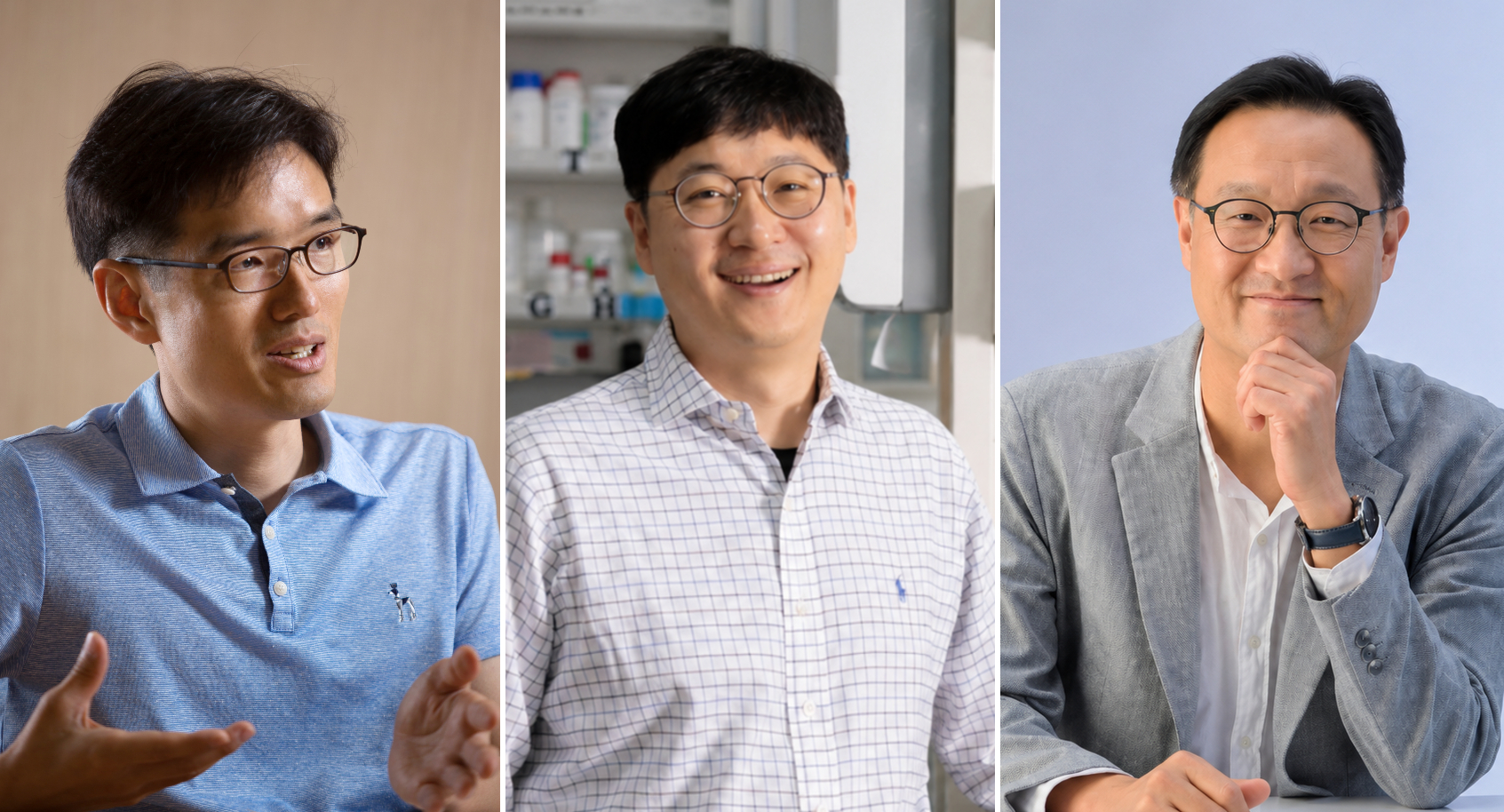
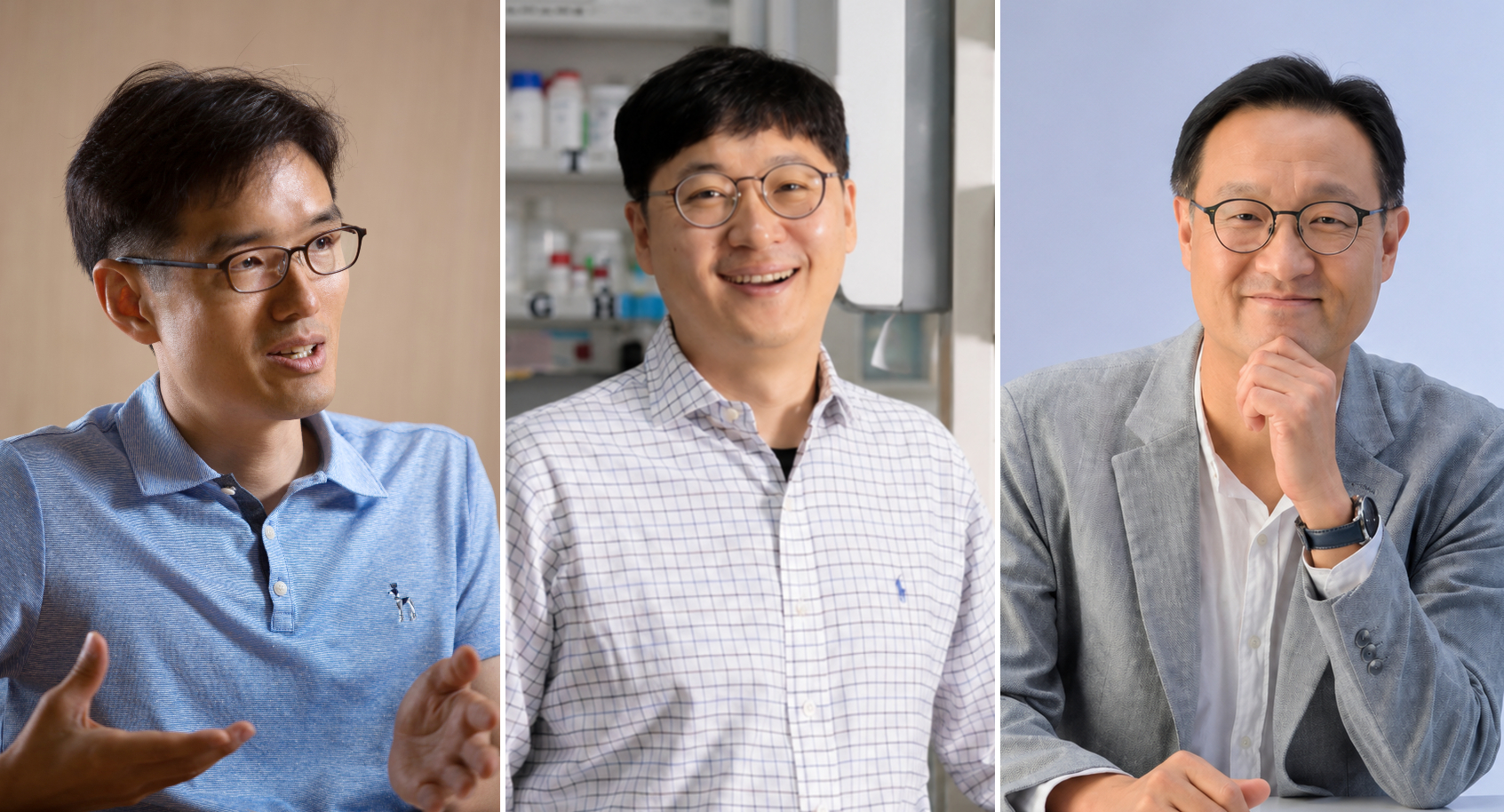
Professor Byoung Heon Kang will lead a project investigating how mitochondrial reprogramming within the tumor microenvironment drives cancer progression and therapeutic resistance. Joining the project are Professors Sebyung Kang, Young Chan Chae, and Sung-Min Hwang from the Department of Biological Sciences, whose expertise spans cancer metabolism, cell signaling, and tumor biology.
Professor Sung-ho Park will direct the Center for Tissue-Resident Macrophage Homeostasis, examining how tissue-resident macrophages maintain immune balance and how their functions become disrupted during infection and aging. Professors Sangjoon Lee and Jung-Seok Kim from the Department of Biological Sciences will participate as co-investigators.
Professor Jayil Lee will lead a project exploring how the three-dimensional organization of chromatin regulates gene expression. The research will investigate how distant regulatory elements interact with target genes to control transcription, integrating expertise in genome architecture, molecular imaging, and chemical biology through collaborations with Professor Hajin Kim from the Department of Biomedical Engineering, Professor Duyoung Min from the Department of Chemistry, and Professor Inwha Baek of Kyung Hee University.

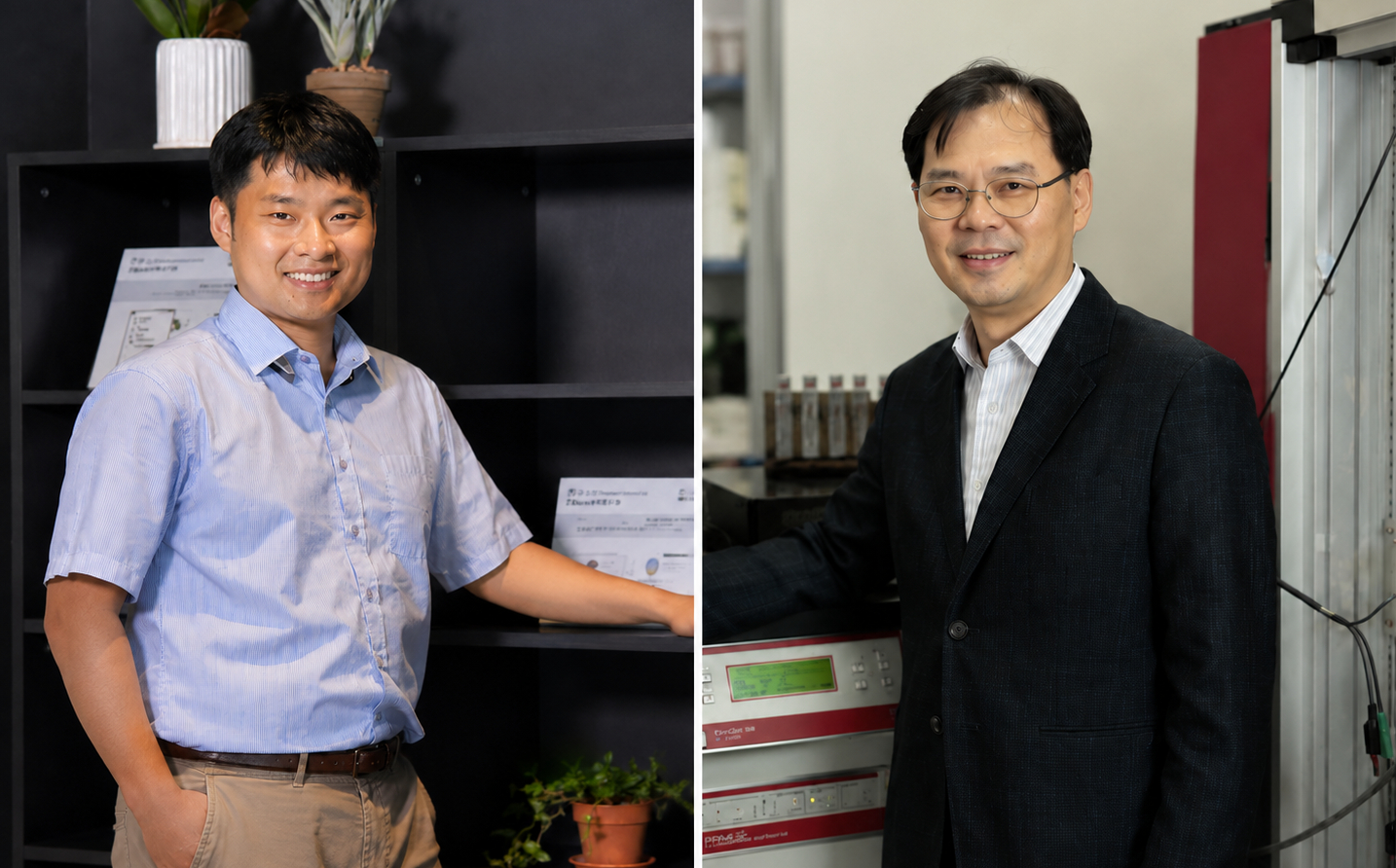
Professor Chaenyung Cha will establish the In Situ Programmable Bioprinting Laboratory for Spinal Cord Regeneration, developing bioprinting technologies that precisely position biomaterials and signaling molecules according to the biological environment of injured spinal tissue. The project brings together Professors Jeong Beom Kim and Jinmyoung Joo from the Department of Biomedical Engineering, and Professor Seong Geun Yoon of Ulsan University Hospital, combining expertise in biomaterials, tissue engineering, and clinical medicine.
Professor Jung-Woo Yoo will lead a multidisciplinary team investigating spin structures and spin dynamics in quantum materials. Working with Professors Ho-Seop Jin, Yoonseok Oh, and Seokhyung Lee from the Department of Physics, the researchers aim to establish a unified understanding of spatiotemporal spin correlations, providing a scientific foundation for future quantum devices and spintronic technologies.
Together, the five projects reflect UNIST's interdisciplinary research model, bringing together scientists from multiple fields to tackle complex questions in fundamental science.
“The selection of these five BRL projects reflects the strength of UNIST's basic research and its collaborative research environment,” said KwanMyung Kim, Dean for Research Affairs at UNIST. “We will continue to strengthen long-term fundamental research and interdisciplinary collaboration, expanding the scientific foundations for future advances in biotechnology, quantum science, and advanced materials.”
Related Links
Related Photo